Featured
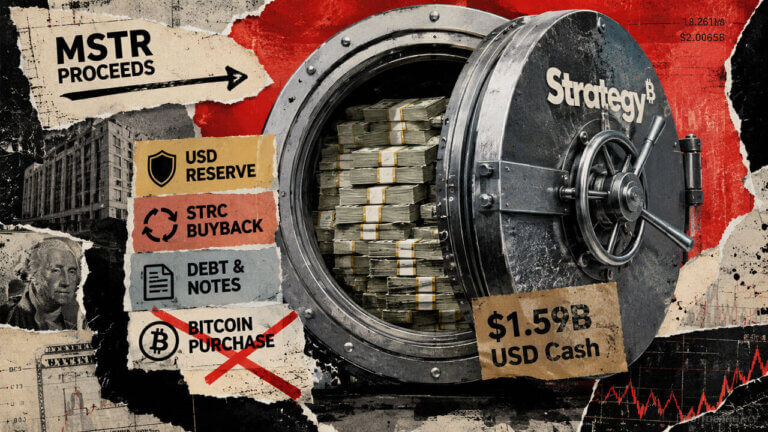
MSTR holders just funded a $1.59 billion cash pile that may never become Bitcoin
Strategy's $1.59 billion discretionary pool can fund Bitcoin, buybacks, debt or reserve growth, leaving MSTR holders financing the choice.
Strategy's $1.59 billion discretionary pool can fund Bitcoin, buybacks, debt or reserve growth, leaving MSTR holders financing the choice.

IBIT supplied 90.5% of the latest inflow as PCE, GDP and durable goods converge on one macro test.

Long liquidations surged to roughly $270 million as Bitcoin fell below $78,000 before buyers stepped back in.
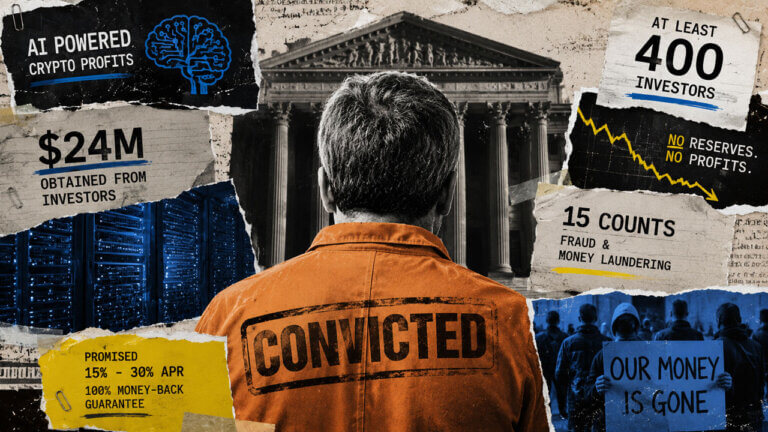
A federal jury convicted Brent Kovar over a $24 million Profit Connect scheme involving at least 400 investors.

Bitcoin’s September options book leaves the low $70,000 thinly protected as traders crowd into upside exposure and deeper downside hedges.
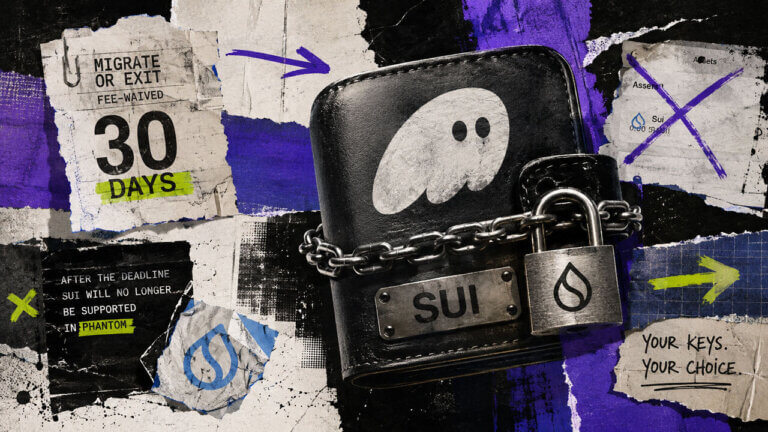
Sui assets stay onchain after Sept. 24, but access shifts to swaps, Slush imports and Ledger connections.

The possible charge excludes statutory interest, while the miner's current cash and protest deadline remain undisclosed.
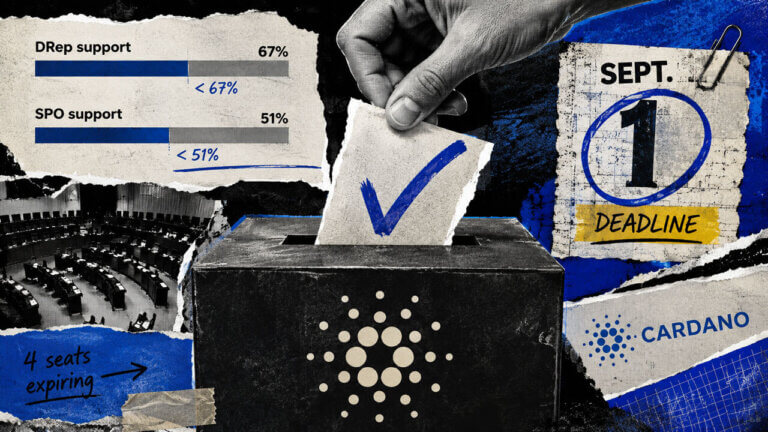
DRep support is 25.3 points short and SPO support is 39.0 points short before the Sept. 1 expiry.

A new federal task force brings crypto firms into preparations for a future when today’s cryptography may no longer be enough.

EIP-8148 would allow thresholds from 32 ETH to 2,048 ETH, while standard withdrawal and exit mechanics remain intact.
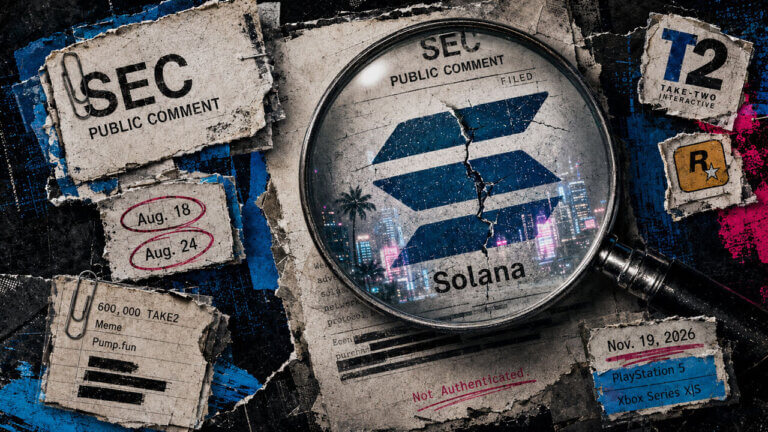
One PDF describes Sharkbux and another considers an SPL architecture, while a named wallet still does not prove an official connection.

Bessent is using access to the US financial system to squeeze Tehran’s partners, but Bitcoin and gold investors say repeated sanctions could accelerate the search for alternatives.
