Contributor
Tokenization
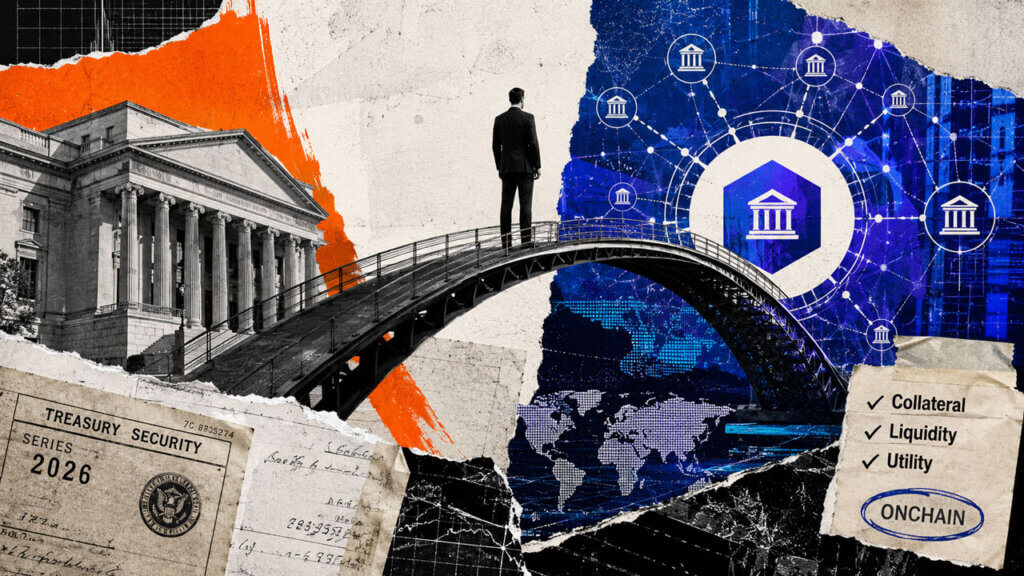
The next phase of tokenization is utility
Using tokenized assets as collateral requires pricing, liquidity and redemption arrangements that can support DeFi liquidations.
Vincent Maliepaard 4 min read
Read guest posts from industry voices sharing perspectives on crypto markets, policy, technology, adoption, and Web3 innovation.
Topic stats
Using tokenized assets as collateral requires pricing, liquidity and redemption arrangements that can support DeFi liquidations.

As DeFi protocols add teams, offchain infrastructure and upgradeable systems, users must evaluate real counterparties, trust assumptions and operational risk, not just the smart contracts.

Global dollar liquidity solves only part of the cross-border payment problem. FX, local liquidity and settlement still have to connect the two ends.

MiCA may strengthen trust and investor protection in Europe’s crypto market, but its high compliance burden could squeeze out early-stage startups before they have a chance to prove themselves.

Microsoft’s latest malware warning shows how clipboard hijackers and fake “loopholes” can reroute crypto transfers, turning a routine send into an irreversible loss.

Kraken’s early traction suggests the next wave of DeFi adoption will come through neobanks and fintech apps that hide vault complexity behind familiar savings products.

Rather than embracing crypto as an asset class, Wall Street is increasingly adopting battle-tested onchain infrastructure for settlement, payments, and tokenization.

With platforms like Rentahuman.ai, humans are no longer workers but endpoints, invoked via API by AI agents to execute actions in the physical world.

To attract financial institutions, DeFi needs metrics that demonstrate robust capital defense, not just deposits.