

MetaMask combines EVM dApp access with native Bitcoin, Solana and TRON accounts. It offers hardware connections and optional linked-login recovery, with a 0.875% wallet swap fee.
MetaMask vs Exodus: Which Crypto Wallet Fits You?
MetaMask gives EVM app users custom networks and mobile dApp access. Exodus offers a native desktop portfolio and model-specific hardware connections. Start with the apps and signing device you use, then compare recovery and trade costs.
Exodus offers native desktop portfolio management and model-specific Ledger and Trezor connections. Its mobile cloud backup needs a passkey, swap costs vary by quote, and mobile dApp connections have ended.
Affiliate Disclosure
Some links in this comparison are affiliate links. CryptoSlate may earn a commission if you sign up through these links. Our ratings remain editorially independent.
Overview
Both hold native BTC, ETH and SOL in software accounts. The practical divide is MetaMask’s configurable EVM app access versus Exodus’s standalone desktop experience. Hardware support must be checked separately.
MetaMask Exodus
Ordinary key custody
Software accounts sign locally
Software accounts sign locally
Native desktop app
Browser extension and mobile app
Windows, macOS and Linux applications
Custom EVM networks
User-added networks through RPC settings
Custom tokens, but no custom networks through RPC settings
Mobile dApp access
Built-in browser for compatible applications
WalletConnect and dApp browser removed from Exodus Mobile
Backup choices
Phrase or optional social login plus password
Phrase or optional mobile cloud file plus passkey
Transaction warnings
Default-on alerts for supported requests on extension and mobile
Web3 extension warnings and simulation of certain requests
Hardware accounts
Ledger and Trezor on extension, selected mobile signers
Desktop USB Trezors or selected mobile Bluetooth devices
Swap pricing
0.875% wallet fee, plus execution and network costs
Variable spread reflected in the quoted output, plus network costs
Public code
Extension and mobile source under restrictive licenses
Public components, with other application code unpublished
MetaMask wins overview
Comparison scope: MetaMask extension and mobile versus Exodus desktop, mobile and Web3 extension. Specifications verified September 11, 2026. Optional hardware integrations are identified by model and platform. Documentation comparison only, with no installed app version or hands-on testing. Exodus mobile dApp removal rechecked September 17 against its September 13 notice.
Screenshots
MetaMask screenshots
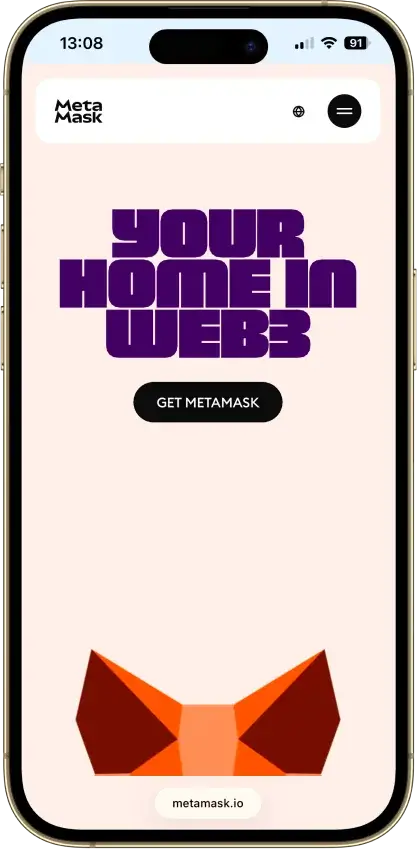
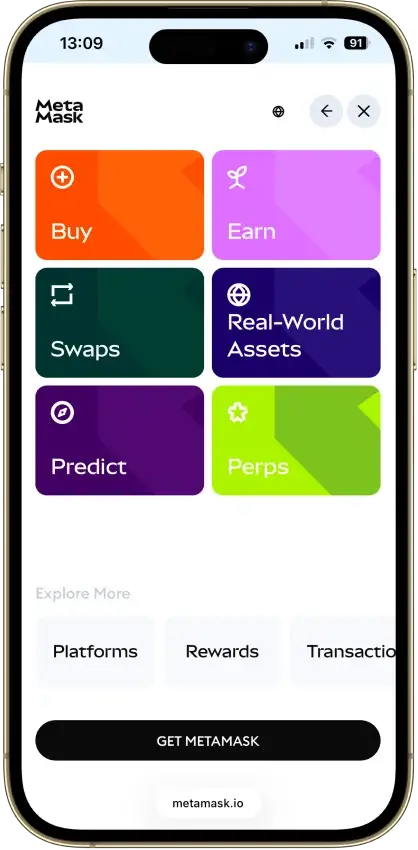
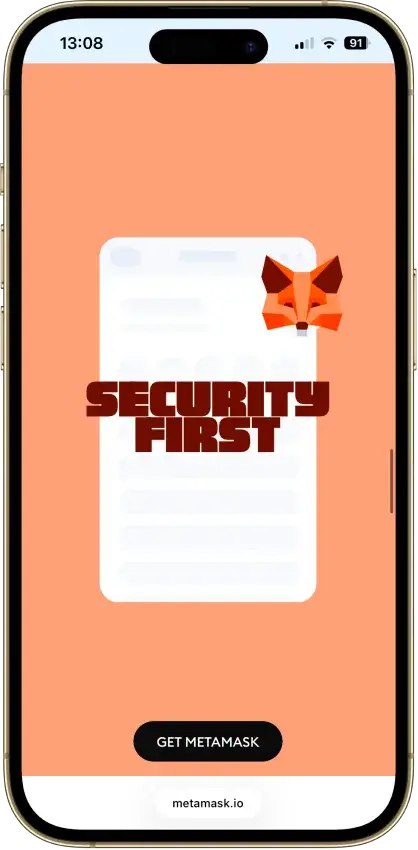
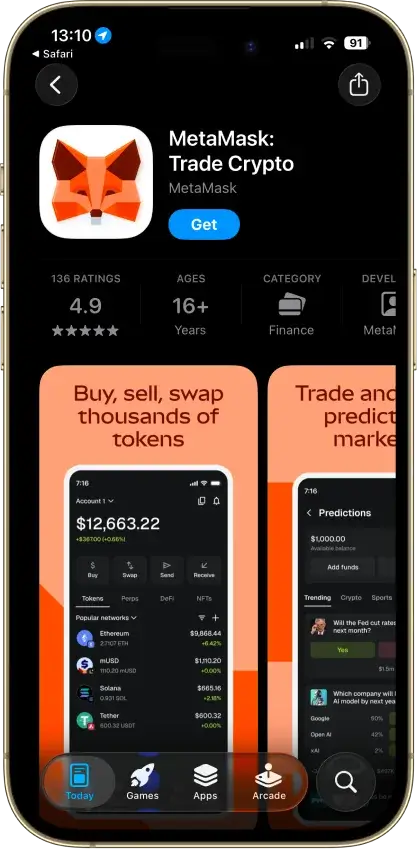
Screenshot 1 of 4
Exodus screenshots
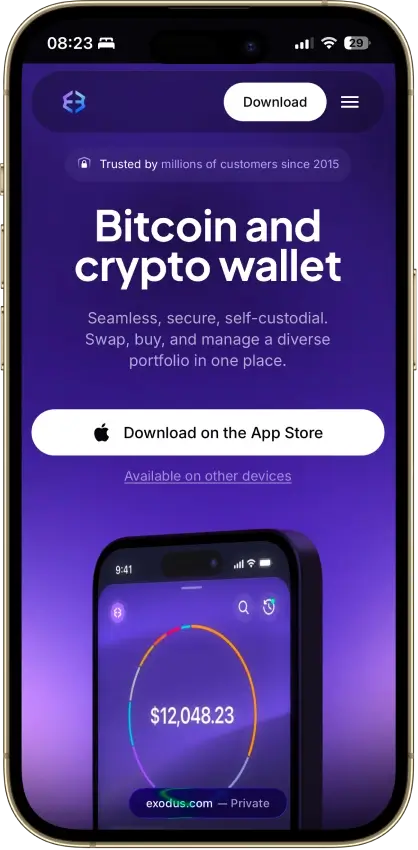
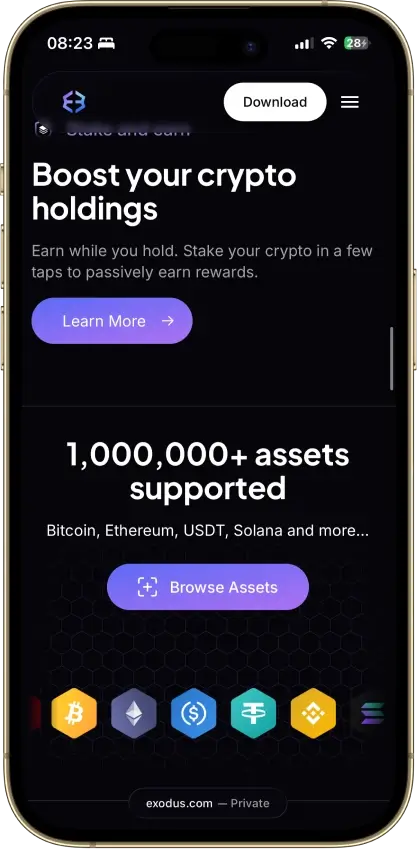
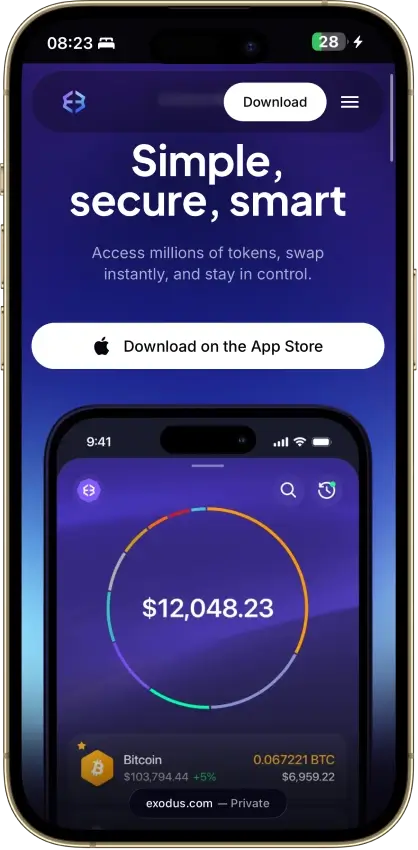
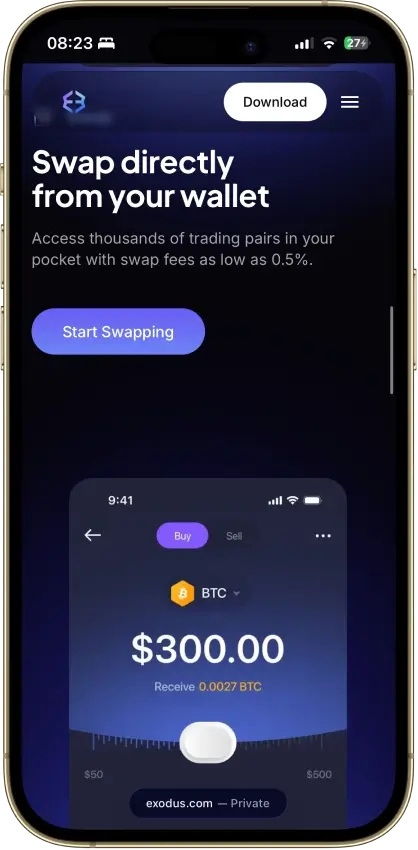
Screenshot 1 of 4
Winners By Category
MetaMask wins for custom EVM networks and mobile dApp connections. Exodus wins for native desktop software. Neither its swap spread nor MetaMask’s named fee settles the cheapest final quote.
MetaMask Exodus
Ordinary software accounts give users signing control, with separate backups for connected hardware accounts.
Software accounts sign locally, optional social login adds an online recovery dependency
Software accounts sign locally, hardware portfolios keep their own backups
Warnings and hardware options alone cannot show which wallet resists attacks better.
Default-on alerts, EVM analysis on MetaMask servers and Blockaid for non-EVM, 2022 Demonic disclosure mitigated in 10.11.3
Web3 extension warnings and simulation of certain requests, internal reviews and a bug bounty
MetaMask's identity-and-password recovery and Exodus's cloud-and-passkey backup depend on different credentials and services.
12-word phrase, or social login plus password with an exportable phrase
12-word phrase, or mobile cloud backup file plus passkey
Custom EVM networks and mobile browser access suit active dApp users, including those creating a wallet now.
Bitcoin, Ethereum, Solana and TRON, custom EVM networks, mobile in-app browser
Native BTC, ETH and SOL; no custom networks or mobile dApp connections
Native desktop software and USB Trezor portfolios suit desktop-led users, with separate limits on mobile hardware.
Extension and mobile apps, Ledger and Trezor on the extension, Ledger, Keystone and NGRAVE ZERO on mobile
Native Windows, macOS and Linux apps, USB Trezor portfolios on desktop, Ledger Flex and Nano X on mobile
MetaMask's wallet fee and Exodus's spread describe different parts of a trade, so final quotes must be compared.
0.875% swap fee, 1% inside the Buy processing charge, 15% pooled and 10% validator ETH reward share
Variable spread in the quoted output, Everstake staking routes, ETH staking mobile-only
Configurable controls describe settings, not how much data either wallet collects during equivalent everyday use.
Analytics opt-in for phrase setups, custom EVM RPC control, Segment and Mixpanel named
Wallet-service records of addresses and transaction IDs for API exchanges, feature-usage analytics
Current releases show maintenance on both sides, while network retirements and app-specific features still require migration planning.
Extension 13.47.1 on September 10, 2026, custom networks reduce preset-list dependence
Desktop 26.8.27 on September 2, 2026 with release hashes, Fantom support retired
The overall rating and the task-specific recommendations serve different purposes. A desktop-led user can reasonably prefer Exodus without treating security, recovery or pricing as equivalent.
Custody And Key Control
Ordinary software accounts give users signing control, with separate backups for connected hardware accounts.
MetaMask Exodus
Ordinary Software Accounts
Local signing with exportable recovery credentials
Local signing with exportable recovery credentials
Connected Hardware
Separate accounts and device backup
Separate portfolios and device backup
Tie
MetaMask and Exodus give ordinary software-account users signing control and access to recovery credentials. Hardware owners must keep the device's accounts and backups distinct because pairing does not protect every software balance.
Local Software Accounts
MetaMask and Exodus keep ordinary software-account signing keys on the host device. A password protects access to that installation, but someone with the recovery phrase can access the accounts independently.
MetaMask's optional social setup adds an online recovery dependency. Exodus Pay and embedded purchase services can require accounts and identity checks, unlike receiving crypto at an ordinary self-custody address.
Hardware And Portable Credentials
MetaMask connects compatible external signers as separate accounts. Exodus displays connected devices as hardware portfolios. Pairing does not relocate the keys of an existing software account onto the device. For hardware custody, receive assets at the hardware-controlled address and maintain its separate backup.
The MetaMask account and backup options include separately imported accounts whose credentials may fall outside the main phrase. Exodus also permits credential exports, but an importing application must support the relevant network and account structure. A wallet accepting the words is not proof that it has found every funded address.
Security And Transaction Signing
Warnings and hardware options alone cannot show which wallet resists attacks better.
MetaMask Exodus
Request Warnings
Default-on alerts for supported requests
Web3 extension warnings and certain simulations
Independent Assessment Scope
2023 Snaps integration audit
Internal reviews and bounty, not a whole-app independent audit
No clear winner
Both wallets give users warnings for supported requests and ways to sign through separate hardware. For malicious approvals or a compromised host, those controls do not establish a measured safety advantage for either product.
Warnings Before Approval
MetaMask enables security alerts by default on extension and mobile. For supported transaction and signature requests, MetaMask's servers handle EVM analysis, with non-EVM analysis sent to Blockaid. Users can still approve a warned-about request.
Exodus Web3 can flag suspicious connections and simulate certain application requests. Users can cancel connections or reject transactions. Exodus's Web3 guide does not say whether those checks run on the device or on a server.
A simulation can help explain a request without proving the contract will remain safe. Token-spending permissions need separate review because disconnecting a site leaves previously granted allowances intact.
Code And Security Response
MetaMask publishes extension and mobile source under distinct restrictive licenses, neither offering unrestricted open-source permissions. Published code and store-installed software require separate verification. Exodus publishes Hydra and asset libraries, while other parts of the consumer application remain unpublished.
Least Authority's September 2023 MetaMask audit covered Snaps integration into the extension, rather than every current Snap or release. Exodus describes internal code and dependency reviews alongside a bug-bounty program, distinct from an independent whole-app audit. MetaMask routes vulnerability reports through HackerOne.
Halborn's June 2022 Demonic disclosure identified conditions that could leave recovery material on disk in affected MetaMask extension versions. MetaMask reported mitigations in version 10.11.3 and described mobile as separate from that extension issue. This historical finding does not establish a current Exodus vulnerability.
Recovery And Backup
MetaMask's identity-and-password recovery and Exodus's cloud-and-passkey backup depend on different credentials and services.
MetaMask Exodus
Phrase Backup
12-word software-wallet phrase
12-word software-wallet phrase
Optional Online Recovery
Linked identity and MetaMask password
Encrypted cloud file and passkey, within the same OS family
No clear winner
MetaMask may suit someone comfortable maintaining a social account and separate password, while Exodus's mobile backup requires continued access to a cloud file and passkey. Phrase backups remain important for users who want an alternative when those services or credentials become unavailable.
Losing A Phone Or Password
A new phrase-based MetaMask wallet and an ordinary Exodus wallet use a 12-word backup. After password loss, an accessible installation or configured backup may restore access. Support cannot reconstruct missing recovery credentials.
MetaMask also offers Google or Apple setup, with Telegram restricted to the extension. Recovery requires the linked identity and chosen password. MetaMask stores an encrypted phrase backup and uses distributed key shares for decryption. The device reconstructs the phrase after authentication.
Exodus Mobile can save an encrypted backup file to iCloud or Google Drive. Restoring requires that file and its passkey, through a compatible phone in the same iOS or Android family. A normal phone backup does not automatically include this wallet backup.
Passkeys And Switching Applications
MetaMask's extension passkeys only provide local access to an existing phrase-based wallet, not restoration elsewhere or access to social-login wallets. Exodus's configured mobile passkey instead decrypts the cloud backup during restoration.
Exporting the MetaMask social wallet's phrase provides recovery outside its login service. Exodus's written phrase likewise avoids its cloud-backup dependency. Neither restores connected hardware accounts. For Ethereum imports, MetaMask documents the BIP44 path m/44'/60'/0'/0, which does not establish Exodus's paths. Check address formats and derivation compatibility before treating a missing balance as lost funds.
Networks, Assets, And dApp Access
Custom EVM networks and mobile browser access suit active dApp users, including those creating a wallet now.
MetaMask Exodus
Custom EVM Networks
RPC configuration supported
Custom networks cannot be added
Mobile dApp Connections
In-app browser and compatible MetaMask Connect integrations
Mobile WalletConnect and dApp browser removed
MetaMask wins networks, Assets, And dApp Access
MetaMask is the better fit for custom EVM networks and mobile dApps. Exodus still has its Web3 extension, but mobile WalletConnect and dApp-browser access have ended.
Shared Networks And Custom Configuration
Bitcoin, Ethereum and Solana are available natively in both software products. MetaMask also handles TRX and TRC-20 USDT on TRON. A September 10 MetaMask announcement on X says TRON dApp connections are available, while its help guide still says they are not. MetaMask's Bitcoin imports use Native SegWit, and its Solana interface does not offer custom RPC selection.
Exodus supports TRON custom tokens on desktop and mobile, but not its Web3 extension. Adding a token can display a balance without providing a price or swap route.
For a less common EVM chain, MetaMask can accept the network's RPC details, which tell the app where to send blockchain requests. Exodus expressly excludes adding custom networks this way. That is different from importing a token contract on a network the wallet already supports.
Browser And Phone Connections
MetaMask Mobile includes a browser for compatible dApps. Applications using MetaMask Connect can also connect from desktop to phone through a QR code or deep link. This developer integration is distinct from WalletConnect, so a QR code alone does not identify the protocol.
Exodus retains a Chrome and Brave Web3 extension with its own dApp connections. Its September 13, 2026 notice says WalletConnect and the dApp browser have been removed from Exodus Mobile, superseding the earlier creation-date rule. Existing mobile connections are disconnected. Restoration or synchronization does not reinstate those features.
Platforms, Hardware, And Daily Use
Native desktop software and USB Trezor portfolios suit desktop-led users, with separate limits on mobile hardware.
MetaMask Exodus
Native Desktop Software
Browser-based desktop workflow
Windows, macOS and Linux app
Mobile Ledger Accounts
Compatible EVM accounts only
Nano X/Flex with selected BTC, ETH and SOL functions
Its native desktop application and USB Trezor portfolios fit users who manage holdings mainly from a computer. MetaMask remains capable through the browser and offers mobile hardware choices, while Exodus users must check whether a synchronized portfolio can sign or only display balances.
Desktop Portfolios And Mobile Signers
Exodus runs natively on Windows, macOS and Linux, alongside its mobile and browser products. MetaMask's documented clients cover iOS, Android and extensions for Chrome, Firefox, Edge and Brave. Its desktop portfolio workflow uses the browser.
Exodus's desktop and hardware wallet setup supports USB connections to Trezor Safe 3 and Safe 5, plus Model One and Model T. Mobile synchronization makes those portfolios view-only. Safe 7 reverses the arrangement: Bluetooth signing on mobile, with a view-only desktop portfolio. Both Trezor integrations exclude Bitcoin-only firmware.
After setup in Ledger Wallet, Exodus Mobile can pair with a Ledger Flex or Nano X using Bluetooth. Their portfolios stay mobile-only, including after software-wallet synchronization. Supported networks include Bitcoin, Ethereum and Solana, but this integration excludes WalletConnect.
MetaMask's extension connects Ledger and Trezor, among other signers. Its mobile list includes Ledger, Keystone and NGRAVE ZERO. The MetaMask Ledger integration accesses EVM accounts, so its native software-wallet Bitcoin and Solana support does not extend to those Ledger accounts.
Managing Accounts And Getting Help
Exodus can synchronize one software wallet across devices. Its September 2, 2026 release, version 26.8.27, added automatic portfolio enabling during mobile QR synchronization and a Networks tab for multichain assets. Hardware restrictions remain separate from those software-interface changes.
MetaMask extension 13.47.0 added account search in dApp connection screens. Custom network settings require attention on each installation because they do not automatically synchronize.
MetaMask starts support conversations with its Fin chatbot and offers a human agent when available. Exodus offers chatbot-assisted human help and email support. Neither provides a support phone line. Keep recovery credentials and Exodus synchronization QR codes out of support messages. Accessibility and support response times were not tested for this comparison.
Swaps, Staking, And Costs
MetaMask's wallet fee and Exodus's spread describe different parts of a trade, so final quotes must be compared.
MetaMask Exodus
Wallet Swap Pricing
0.875% wallet fee before other costs
Variable spread in the quoted output
Staking Comparison
ETH routes with separate commissions
Asset-, platform- and provider-specific terms
No clear winner
MetaMask's stated wallet charges make particular cost components visible, while Exodus requires attention to the spread and output in each quote. Frequent swappers and stakers should compare the same transaction or staking service before choosing on price.
Fees And Third-Party Execution
Both applications are free to download, with network fees and optional service charges still payable. MetaMask lists a 0.875% wallet fee for swaps, checked September 11, 2026. That is $8.75 on a $1,000 swap, before network costs and differences in execution price.
Exodus builds a variable spread into its swap quote, changing with market conditions and liquidity. Ordinary sending has a separate network fee, none of which Exodus retains.
MetaMask identifies LI.FI and Socket among its bridge aggregators. Exodus swaps send assets to a selected third-party API provider, which processes the order and returns the destination assets. Neither interface removes the need to evaluate the actual provider and route before approving an exchange.
Compare simultaneous quotes for the same assets, networks and amount, including any separately charged network fee. The final quantity received determines the better deal.
ETH Staking And Fiat Purchases
MetaMask's fee guidance, checked September 11, 2026, distinguishes pooled ETH staking at 15% of rewards from validator staking at 10%. Both have route-specific regional eligibility. Pooled withdrawals involve a request and later claim, with network costs and queue-dependent timing.
Exodus offers asset-specific staking through services including Everstake. ETH staking is mobile-only, including compatible Ledger connections. Solana spans its software clients and selected mobile hardware, while older desktop Trezor portfolios cannot stake through Exodus. ETH and SOL unstaking require a later claim. Check asset-specific commissions and regional eligibility. Staking also introduces validator or smart-contract risks beyond ordinary holding.
For normal MetaMask Buy orders, the processing charge shown already contains MetaMask's 1% fee. Do not add it again to the total. Providers such as Transak have separate charges and identity checks. Exodus also uses fiat partners. Optional Card or Pay services have their own eligibility and pricing.
Privacy And Data Collection
Configurable controls describe settings, not how much data either wallet collects during equivalent everyday use.
MetaMask Exodus
Analytics And Request Controls
Analytics opt-out and custom EVM RPCs
Policy and data-rights choices, with service-specific collection
Public Blockchain Activity
Transactions remain public
Transactions remain public
No clear winner
MetaMask gives users explicit analytics and EVM RPC controls, while Exodus separates base-wallet use from optional account services and publishes its collection policy. Those disclosures do not establish which wallet collects less during an equivalent session, particularly once outside providers are involved.
Analytics And Blockchain Requests
MetaMask's analytics defaults depend on onboarding: social-login users participate by default, while phrase-based setup asks users to opt in. Its analytics guide names Segment and Mixpanel and permits event data to be associated with wallet addresses and transaction hashes. Users can disable analytics and request deletion through settings.
Custom EVM RPC settings, including an Ethereum node you run, let MetaMask change the recipient of blockchain requests. That does not disable separate security checks or optional online recovery. MetaMask's privacy notice also describes temporary IP processing and applicable device data.
Exodus's February 16, 2026 privacy policy distinguishes website tracking from wallet services. It describes recording addresses and transaction IDs for API-provider exchanges, plus feature-usage analytics. Turning off website cookies should not be treated as disabling wallet-service collection. Marketing opt-outs and applicable data-rights requests are available.
Account And Identity Boundaries
Ordinary phrase-based use does not require a customer account with either wallet company. Optional MetaMask social recovery involves the chosen identity provider. Exodus's cloud backup depends on its cloud account and passkey manager. Purchase partners, MetaMask Card and Exodus Pay can introduce personal-information or identity-verification requirements.
Disabling MetaMask analytics or submitting an Exodus data-rights request does not erase public blockchain transactions. Check which identifiers each of those services requests before connecting it.
Updates, Longevity, And Ecosystem
Current releases show maintenance on both sides, while network retirements and app-specific features still require migration planning.
MetaMask Exodus
Release Evidence
Published extension release history
Desktop releases and download hashes
Network Retirement
Custom EVM configuration where compatible
Exported credentials may enable a supported alternative
No clear winner
Current MetaMask and Exodus releases show active product maintenance, with different integration and migration options. Long-term holders should retain usable recovery material and follow network-specific retirement notices instead of treating recent development as a promise of permanent support.
MetaMask's extension release history lists version 13.47.1 on September 10, 2026. Its stated fix addresses nondeterministic production builds affecting Firefox review rebuilds. That is a specific developer-reported correction, not independent confirmation that every distributed binary is reproducible.
Exodus's September 2 desktop release publishes synchronization and network-selection changes, along with release hashes. It also maintains Web3 developer libraries. Those hashes let users check a downloaded file against the published release.
Exodus has retired Fantom support and directs affected users to a compatible wallet such as MetaMask. The migration instructions let users continue through another interface when Exodus drops a network, making exportable credentials useful beyond routine backup.
MetaMask's custom EVM configuration reduces dependence on its preset network list. It still depends on compatible applications and network infrastructure, and configuration does not extend every wallet feature to the newly added chain. Neither software product has a disclosed guaranteed lifetime support window.
Final Verdict
MetaMask is our overall pick for active EVM app use. Choose Exodus when managing a portfolio in a native desktop app matters more than mobile dApp connections.
Affiliate Disclosure
Some links in this comparison are affiliate links. CryptoSlate may earn a commission if you sign up through these links. Our ratings remain editorially independent.
MetaMask wins final rating
MetaMask’s 8.2 review rating leads Exodus’s 6.0. That does not make every MetaMask account or swap preferable: keep hardware compatibility, recovery credentials and the final trade quote in the decision.
MetaMask vs Exodus FAQs
Is MetaMask or Exodus better for beginners?
Exodus suits a beginner who wants to view and send supported assets from a native desktop app. MetaMask is a better starting point when a chosen EVM application requires custom network configuration. Neither removes backup responsibilities, and a new Exodus mobile wallet should not be chosen on the assumption that older WalletConnect tutorials still apply.
Is MetaMask or Exodus safer for DeFi?
Neither has a demonstrated overall safety advantage here. MetaMask enables supported-request alerts on mobile and extension, while Exodus Web3 provides warnings and simulation for certain requests. Hardware signing is available through compatible connections. Those protections help with approval decisions but cannot establish that a contract, permission or future protocol change is safe.
Do MetaMask and Exodus support Bitcoin and Solana?
Yes, MetaMask and Exodus provide native software-wallet access to Bitcoin and Solana. Hardware accounts have separate compatibility: MetaMask's Ledger connection is EVM-only, whereas Exodus Mobile supports selected Bitcoin and Solana functions through Nano X and Flex. Always check the account type and network before transferring, rather than assuming software support applies to every connected device.
Can MetaMask and Exodus use the same recovery phrase?
Compatible software accounts can sometimes be imported into both MetaMask and Exodus, but matching words do not guarantee matching derivation paths or address discovery. Importing also exposes those credentials to another installation. Prefer a separately generated wallet and an onchain transfer when you want separation, and never type a hardware backup into software merely to connect the device.
Do MetaMask and Exodus offer passkey recovery?
Exodus Mobile can restore a configured cloud backup using its passkey and encrypted file within the same operating-system family. MetaMask's extension passkey only unlocks that existing phrase-based installation. MetaMask instead offers optional social-login recovery using the linked account and password, with an exportable phrase. These are different mechanisms despite similar login screens.
Is MetaMask or Exodus cheaper for swaps?
No fixed winner follows from their published pricing. MetaMask lists a 0.875% wallet fee, while Exodus includes a variable spread in its quoted output. Request both quotes for the same trade together and add any network fee charged on top. An apparently smaller named fee can still produce a worse final exchange rate.
Do MetaMask and Exodus require KYC?
Ordinary phrase-based wallets do not require a customer account with MetaMask or Exodus. Embedded financial services can have separate identity checks, and optional social or cloud recovery requires the relevant outside account. Check the specific fiat, swap, card or Pay provider instead of applying a wallet-wide no-KYC claim to every function.


A software wallet’s network list is not its hardware compatibility list. MetaMask’s native Bitcoin and Solana accounts do not extend those networks to its Ledger connection. Exodus offers selected mobile hardware routes, while its older USB Trezor portfolios sign through Desktop.