Governance

The California agreement requires notice if Fidelity ends its retail transfer feature, while preserving security restrictions and IRA exclusions.
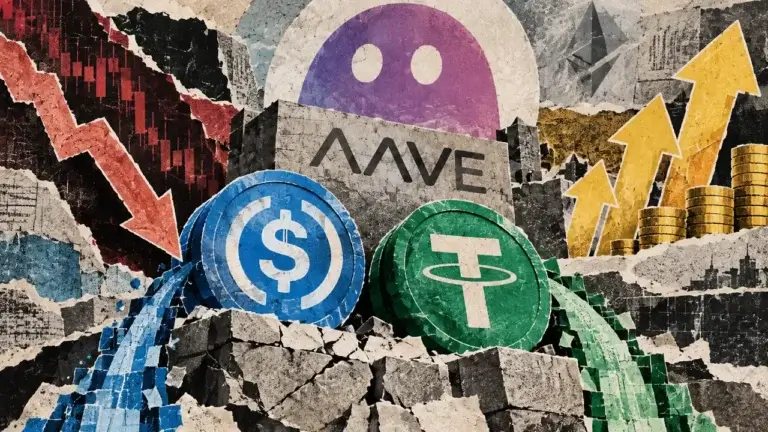
Two tracked Ethereum V3 Umbrella stakes fell 9.7%, while their implied annualized reward run rate stayed near $2 million.

Cboe's rules cover Coinbase trading volume and MARA Bitcoin output, with separate procedures for missing or delayed figures.

A 1997 timestamp reproduces P-256’s public seed, helping explain how a curve used for passkey signing was generated.

The order leaves the new duties waived without a fixed expiry while keeping specified earlier sanctions in place.
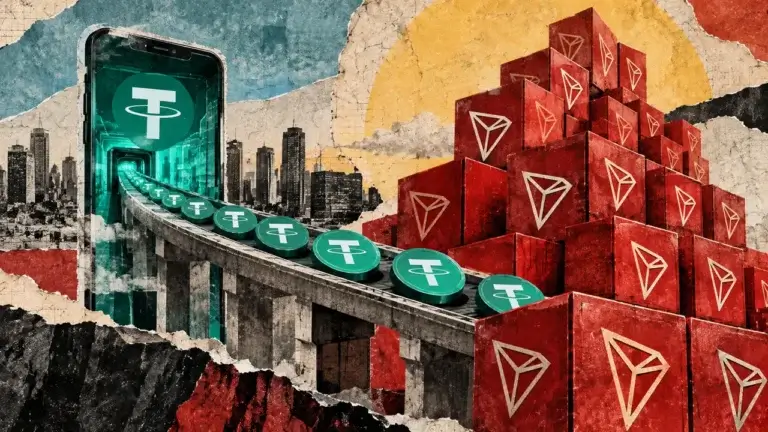
TRX supply grew on all 108 days from July 1 through October 16 as burns fell short of newly issued rewards.

Hoodi’s Glamsterdam test schedules a 200 million gas target, while the mainnet activation date remains undecided.

Mining stops at 07:00 UTC, while final payments depend on eligibility and historical pages close two weeks later.
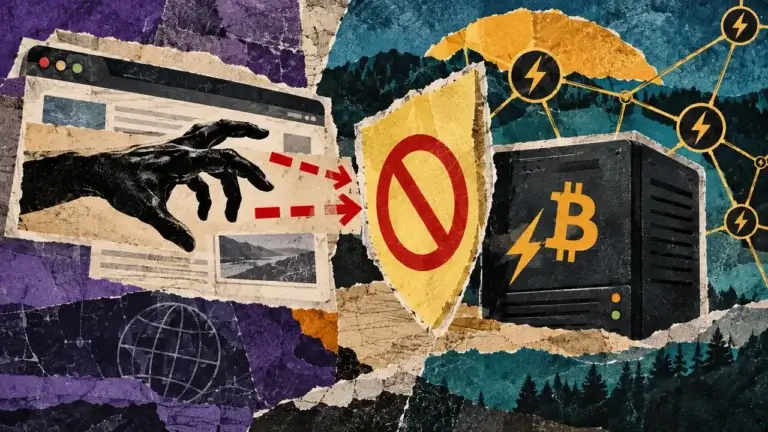
The Oct. 15 release blocks a cached-authentication route to Eclair's API and requires direct browser interfaces to add a backend.
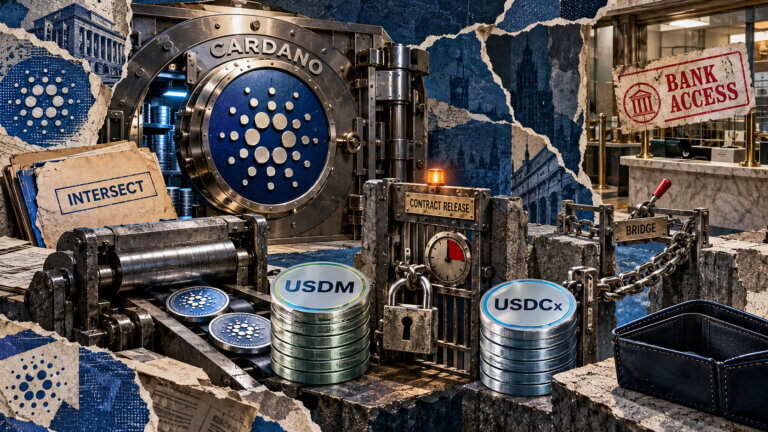
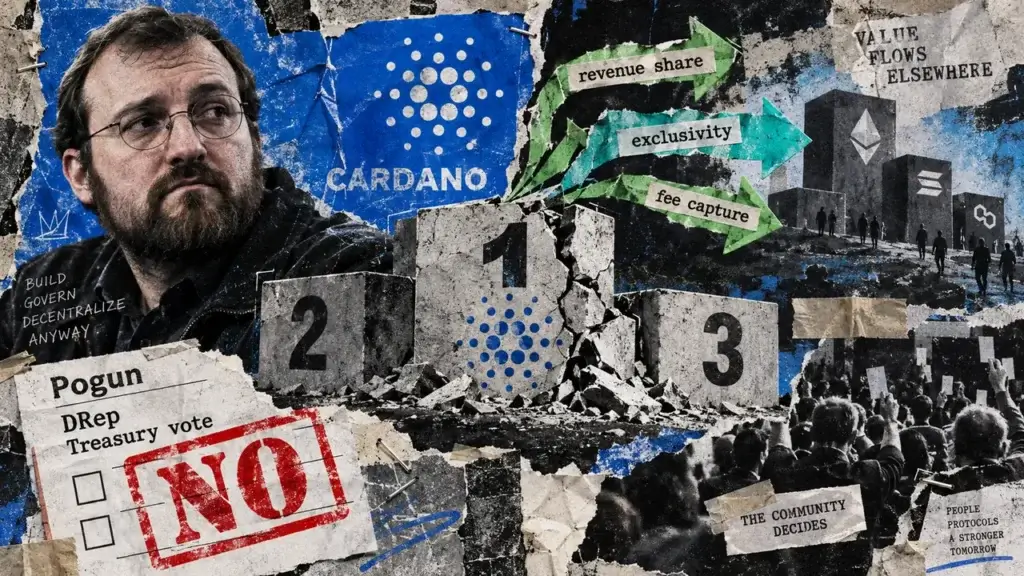
Cardano’s $4.8 million in stablecoin development budgets shifts focus to payment schedules, contract controls, and dollar access through 2027.

Business payouts gain USDC funding through Visa's Inyo integration and Mastercard's BVNK platform, with access and rollout limits.

The bank says fintechs can access dollar and RLUSD payments through one API, with availability limited to some US states.