

Keel Infrastructure Corp. is a North American digital and energy infrastructure company developing power-secured data center campuses for high-performance computing and artificial intelligence workloads. Formerly known as Bitfarms, Keel Infrastructure completed a U.S. redomiciliation and corporate rebrand on April 1, 2026. Its shares began trading under the KEEL ticker on Nasdaq and the Toronto Stock Exchange on April 6, replacing BITF. The Delaware-incorporated company is headquartered in New York City.
Overview and History
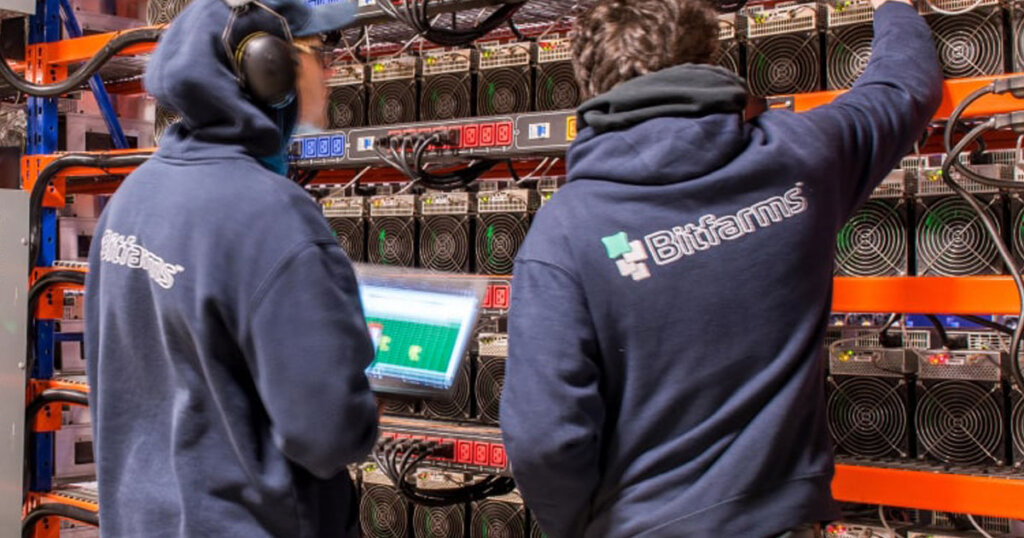
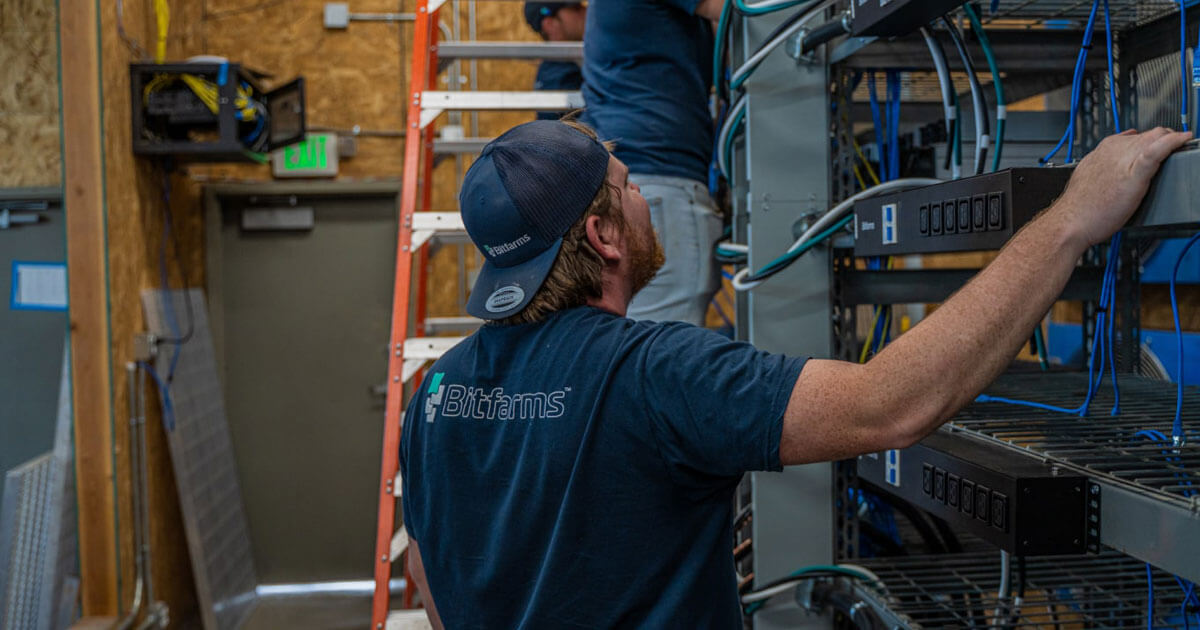
Keel traces its operating history to Bitfarms, a Canadian company founded in 2017 by Emiliano Grodzki and Nicolas Bonta. Bitfarms initially built vertically integrated Bitcoin mining operations around low-cost electricity, particularly hydroelectric power in Québec. It later expanded across the Americas and became one of the better-known publicly traded miners.
The company began a strategic shift toward HPC and AI infrastructure as mining economics became more volatile and demand for data center power accelerated. Its March 2025 acquisition of Stronghold Digital Mining added power generation assets and development sites in Pennsylvania, including Panther Creek and Scrubgrass. The transaction followed a period of industry consolidation and was initially announced as a $175 million merger.
During 2025 and early 2026, Bitfarms sold its Latin American sites, raised capital and reorganized around a North American portfolio. The April 2026 sale of its Paso Pe facility in Paraguay completed that regional exit. Legacy Bitcoin mining operations remain a source of transitional revenue, but the company is selling Bitcoin holdings and plans to decommission mining capacity as sites are converted for HPC use.
Data Center and Energy Portfolio
Keel reports a multi-year development pipeline of approximately 2.2 gigawatts across five campuses, comprising 341 MW of energized capacity, 430 MW of secured future capacity and about 1.5 GW of expansion capacity. The company targets locations with existing grid connections, available land, cooler climates and proximity to established fiber and data center corridors.
- Panther Creek, Pennsylvania: Keel's flagship 336-acre campus has 350 MW of secured capacity and a phased expansion plan reaching approximately 510 MW.
- Sharon, Pennsylvania: An early-stage 17-acre campus with 110 MW of secured capacity for next-generation GPU deployments.
- Moses Lake, Washington: An 18 MW energized campus designed for modular HPC infrastructure in the Pacific Northwest.
- Sherbrooke, Québec: A planned 96 MW hydro-powered campus that would consolidate capacity from three Bitcoin mining sites. Municipal approval has been obtained, while the power transfer remains subject to provincial review.
- Scrubgrass, Pennsylvania: A 650-acre long-term development opportunity with up to 1.3 GW of potential expansion capacity.
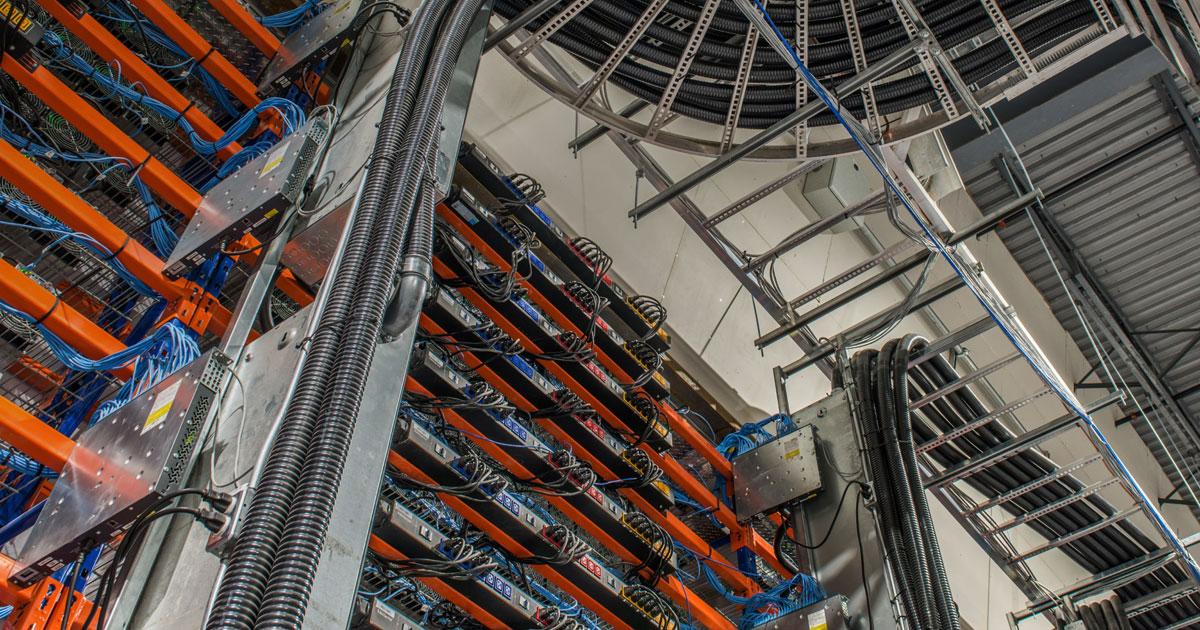
The portfolio reflects a wider shift by Bitcoin miners toward AI and HPC, where access to power and grid interconnections can be more valuable than existing mining equipment.
Leadership and Financing
Ben Gagnon serves as chief executive officer and has led the strategic transition since July 2024. Ganesh Aiyer, formerly chief business officer at Digital Realty, joined as president in July 2026 to lead commercial activity and pipeline expansion. Jonathan Mir serves as chief financial officer.
Keel closed a $458 million offering of 1.25% convertible senior notes due 2032 in June 2026, generating approximately $445 million in net proceeds before expenses and capped-call costs. The company said the capital would support equipment deposits, letters of credit and acceleration of data center development. It joined the Russell 3000 Index later that month.
Risks and Considerations
Keel remains in a capital-intensive transition. Its near-term HPC campuses require permits, construction, customer leases and reliable power delivery before they can produce recurring data center revenue. Project delays, cost overruns, grid constraints and competition from established operators could affect returns. Convertible debt may also create refinancing or shareholder dilution risk. Until the transition is complete, results remain partly exposed to Bitcoin prices, network difficulty and mining profitability. The Sherbrooke project additionally depends on government approval for its proposed power transfer and land development.