Regulation
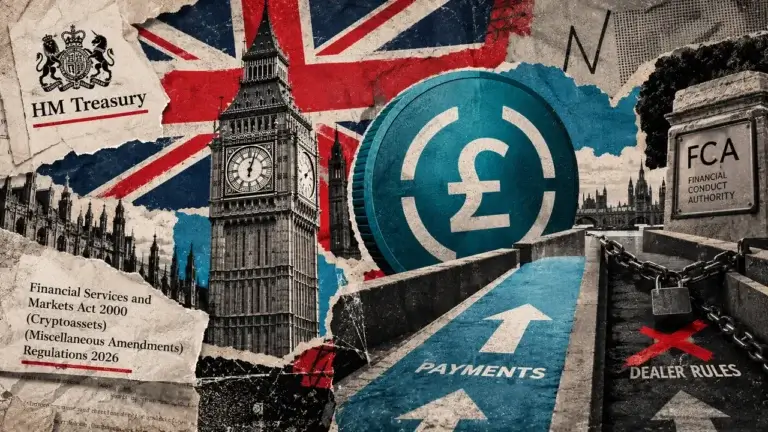
The UK just quietly carved out a massive stablecoin loophole while crushing crypto lending
Routine transfers and cash exchanges could qualify, while return-right lending, crypto swaps and continuing custody remain potentially regulated.
Routine transfers and cash exchanges could qualify, while return-right lending, crypto swaps and continuing custody remain potentially regulated.
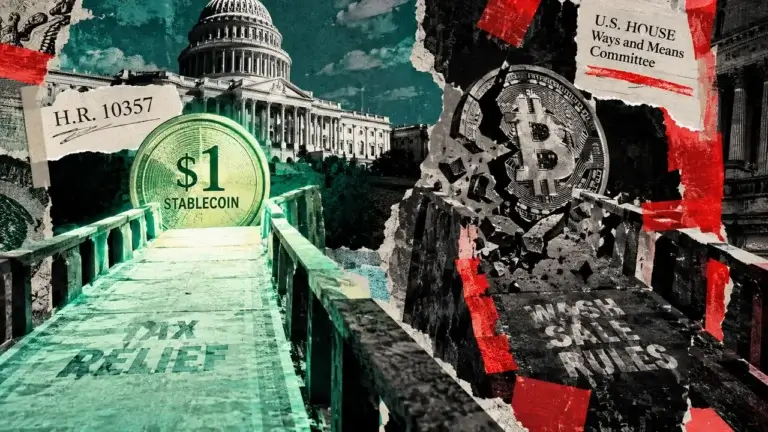
The new legislation would extend wash sale rules to digital assets while easing taxes on stablecoins and small transaction fees.

Prosecutors are targeting $61 million in frozen USDT while tracing a broader flow through crypto and traditional banking channels.

Stablecoin growth stayed below 6% while ETH and SOL gained more than 32%, leaving the inflow picture unresolved.
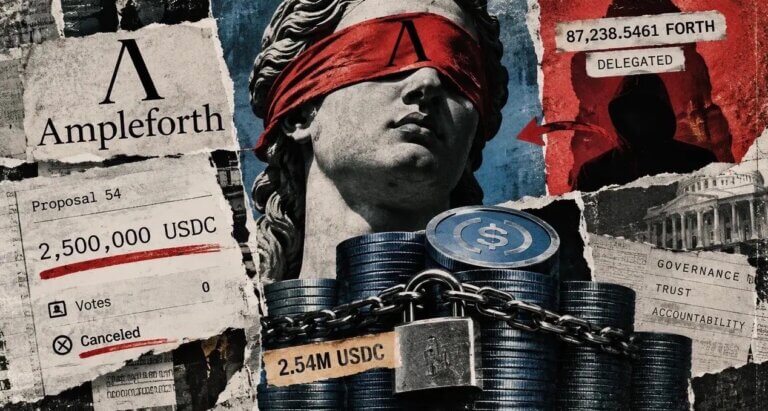
The proposing wallet submitted after receiving 87,238 FORTH of delegated power; the action ended with zero votes and no transfer.

Proposed OCC stablecoin redemption extensions leave buyers and conversion providers to finance an earlier exit.

Validators will secure settlement while Circle retains significant control and user recourse remains tied to individual apps and assets.

Firelight plans to pay XRP holders for backing DeFi coverage, but withdrawals could take up to 60 days once its coverage system launches.

September 15 payments could absorb bank reserves before the Fed decision, while Treasury spending and Fed tools can cushion pressure.

The ack3-affiliated preprint found a 72.1% outside-scope share after excluding two H1 2026 outliers, while August incidents add operational context.

Banks retain the customer interface, while undisclosed pricing, data, compliance and settlement terms will determine who captures the value.

Licensed crypto firms could accept deposits and withdrawals only through accounts verified as the customer’s own.