DeFi
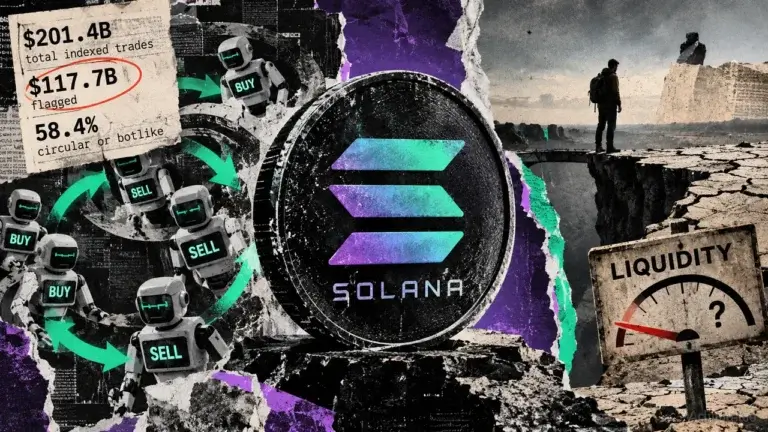
Solana DEX volume spike hides circular trades, and automated bots are blamed
Bitquery's indexed-pool screen finds repeated round trips, but the depth available to independent traders has not been measured.
Bitquery's indexed-pool screen finds repeated round trips, but the depth available to independent traders has not been measured.
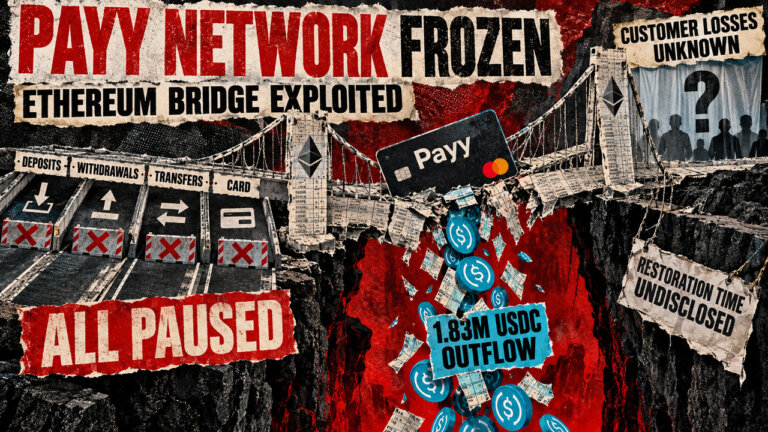
Payy halted transfers, withdrawals and card payments after a bridge exploit moved about $1.83 million in USDC from its Ethereum contract.

TRON’s USDT dominance has made it a global settlement rail, but the same liquidity has also drawn illicit flows and raised the cost of winning regulated finance.

Stablecoin transfers, retail-sized flows and direct wallet activity kept growing even as market capitalization fell roughly 50%.
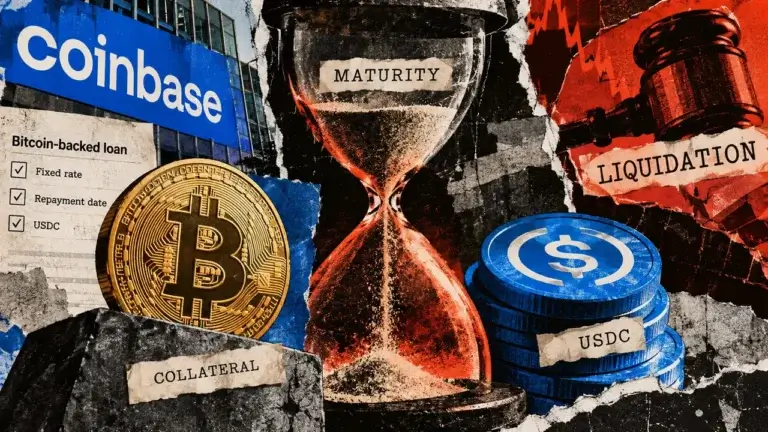
An unpaid balance can make a position eligible for liquidation even without a Bitcoin price drop.
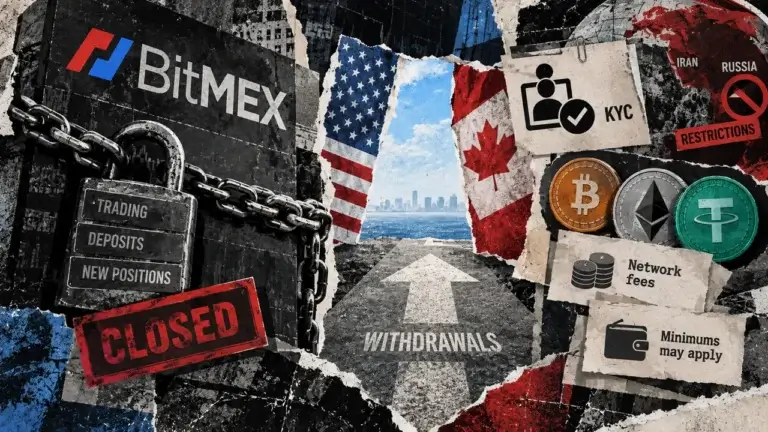
The shuttered exchange is letting customers in the US, Canada, Hong Kong and three other jurisdictions recover remaining funds.
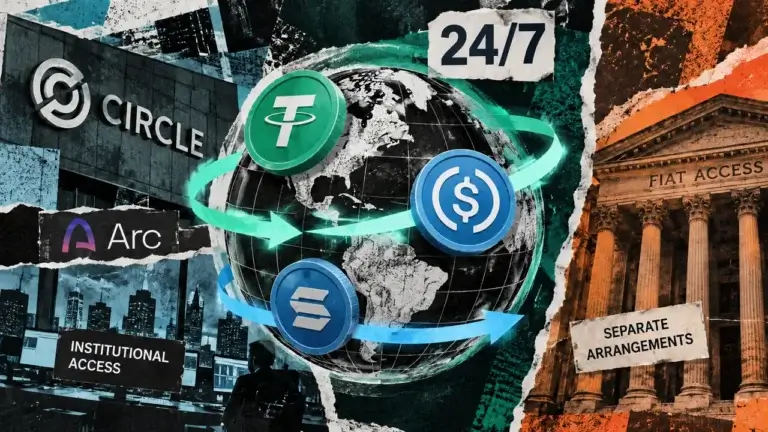
StableFX allows vetted counterparties to quote, trade and settle supported pairs on Arc at any hour.

Premarket routes priced $100,000 sales across ten tokens; displayed pool balances cannot show what a broad selloff would cost.
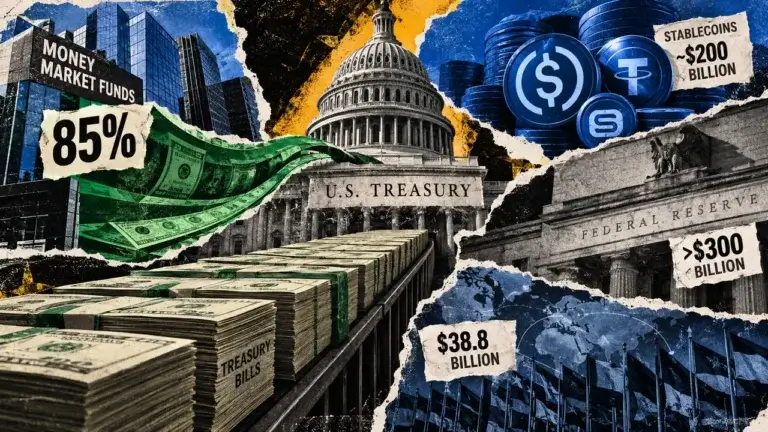
Treasury says money-market mutual funds absorbed about 85% of more than $550 billion in new bill supply during July and August.
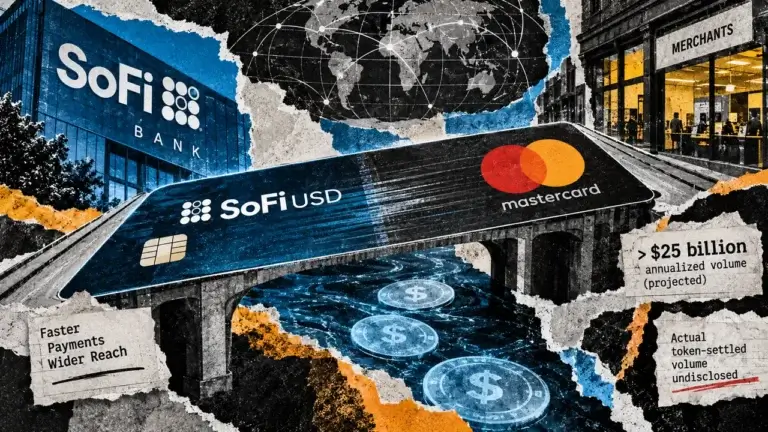
SoFi is migrating its card program into SoFiUSD, while the amount already settled in the token remains undisclosed.

The proposed MiCA change challenges mandatory bank deposits as Britain's systemic sterling stablecoin code reaches its consultation deadline.

The reported plan swaps mandatory bank deposits for one-day and five-day liquidity tests, shifting where redemption risk lands.
