
Analysis
Bitcoin miners saved Texas power grid from collapse, but their lucrative pivot to AI is stripping away the emergency brake
The machines Texas leans on hardest during a heat wave get cheaper to shut off right when they're least needed.
The machines Texas leans on hardest during a heat wave get cheaper to shut off right when they're least needed.
The largest US crypto exchange has spent five years building businesses that don't depend on Bitcoin trades, and it lost money for a third straight quarter anyway.

The 0.20% sponsor fee applies after July 31, putting HODL level with BITB but one basis point above EZBC.

The company is rebuilding support for its $10.5 billion preferred stock before restarting the digital-credit issuance behind its seven-year goal.
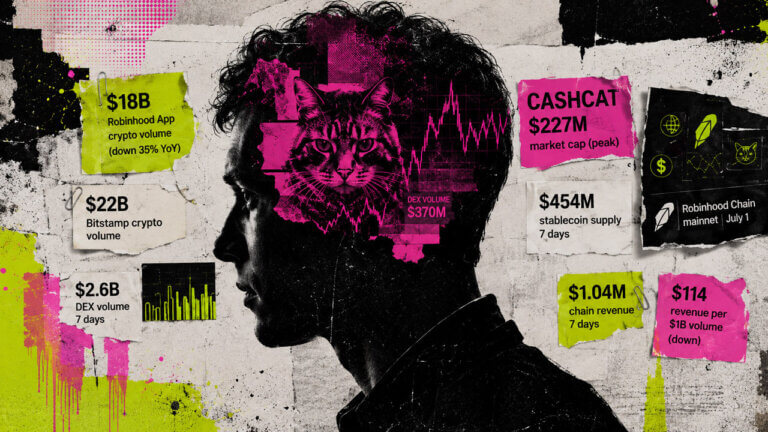
Robinhood spent years building a blockchain for serious Wall Street assets, but a viral cat coin just hijacked its whole plan.

Zcash’s Ironwood upgrade puts ZEC’s $500 recovery against $926 million in open interest and the risk of a derivatives-led reversal.

Ethereum enters its second decade facing four tests around ETH value capture, rollup cohesion, ecosystem leadership and neutral scaling.
IOND closed its first session at $62.90, while broker transfers and securities restrictions still shaped practical liquidity.
Creditors who cleared June 16 requirements should be paid within three business days; allowed claim holders still awaiting provider onboarding may forfeit distribution rights.
The July outflows contrast with Grayscale’s view that Hyperliquid’s revenue and buybacks support a higher token valuation.

Behind Wall Street’s $67 billion Bitcoin experiment lies a math problem that triggers at $39,900.

Three hawkish dissents, rising oil and weak market liquidity put Bitcoin’s $62,000 support on watch ahead of the September Fed meeting.