Market
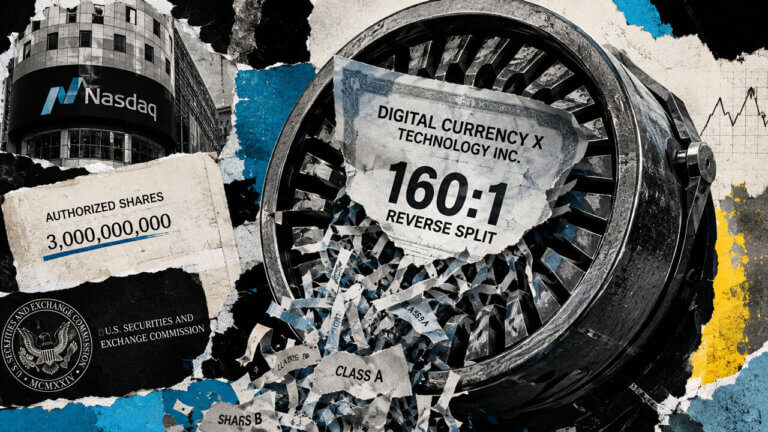
$400M AI crypto treasury firm seeks second reverse split while restoring capacity for 3 billion shares
A September 3 vote would cut holder balances 160-for-1, then return authorized capacity to 3 billion shares.
A September 3 vote would cut holder balances 160-for-1, then return authorized capacity to 3 billion shares.

Open interest fell 2.65% and funding stayed near baseline, pointing to leverage clearing rather than longs rebuilding.

The Aug. 23 blocks used practice pECX while final software, replay rules and exchange handling remain unresolved.

The 32.x warning and 33.x removal sequence remains a proposal as maintainers test whether sparse fallback routes add resilience.

Exchanges and other providers already serving the country must enter the new licensing process or stop affected services.
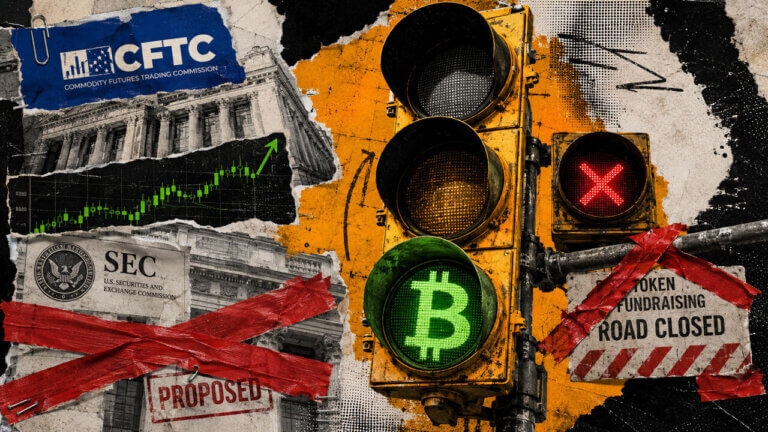
Washington has made it easier to trade crypto with leverage than to raise the money needed to create the next generation of tokens.
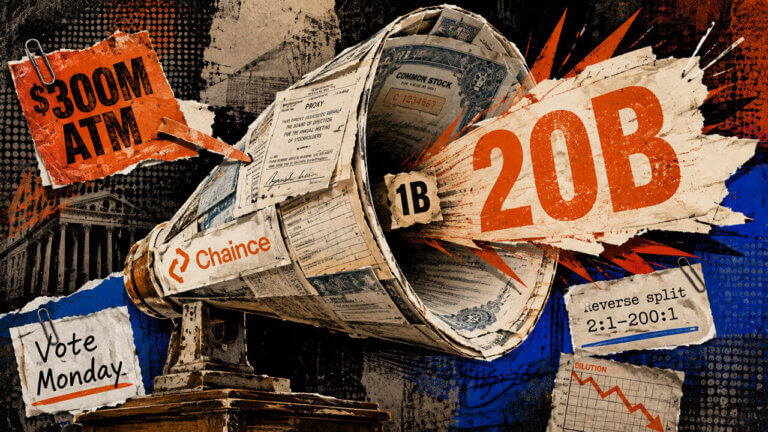
The proposals would set a 20 billion-share ceiling and grant three years of broad reverse-split authority.
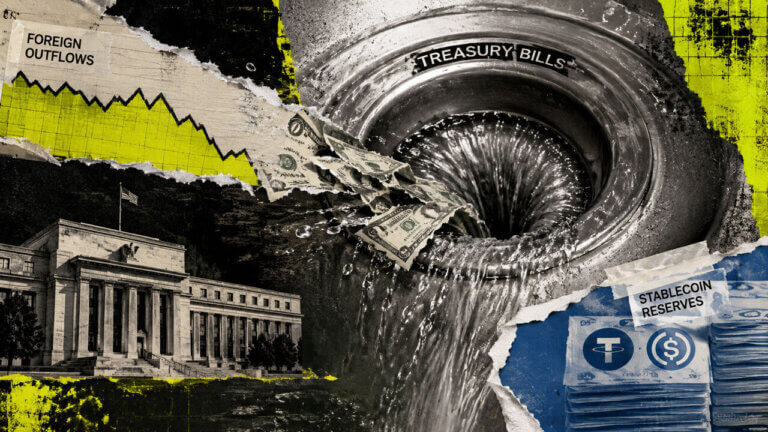
A $29 billion retreat from Treasury bills shows why stablecoins are now becoming so important to US debt financing.

KBRA’s BBB rating gives Ripple Prime investment-grade access, but expected parent support and mostly escrowed XRP remain central to the credit case.
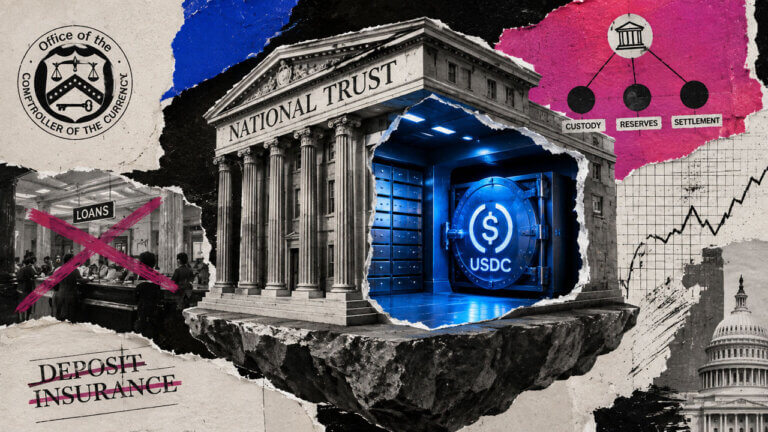
Washington is giving crypto companies the legal shell of a bank while stripping away nearly everything consumers normally expect a bank to do.

Exchanges and custodians would need ₦2 billion in capital, while foreign-currency stablecoins face 120% backing.

Blockchain Association and CCI seek injunctions, but the filing itself did not suspend the 0.2% levy.