
Analysis Bearish
Bitwise pitched a diversified 10-crypto fund, then lost $500 million as Bitcoin swallowed 78% of the portfolio
Market losses and net redemptions cut the fund to $532.8 million while Bitcoin’s portfolio share rose to 77.81%.
Market losses and net redemptions cut the fund to $532.8 million while Bitcoin’s portfolio share rose to 77.81%.
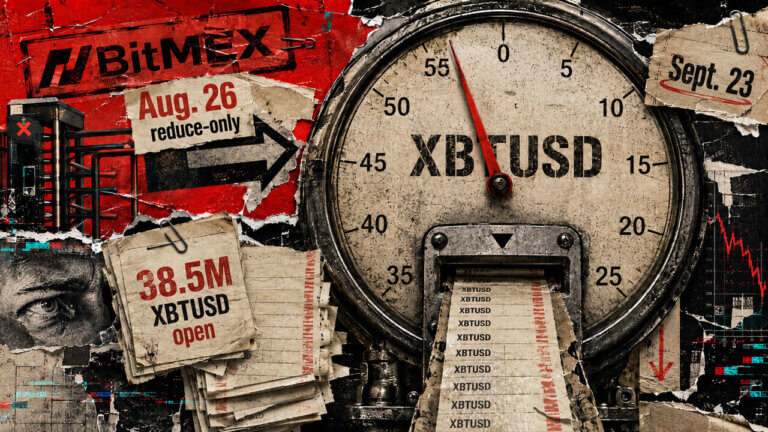
New positions stop Aug. 26, while contracts left open face a wind-down that ends in forced closure Sept. 23.
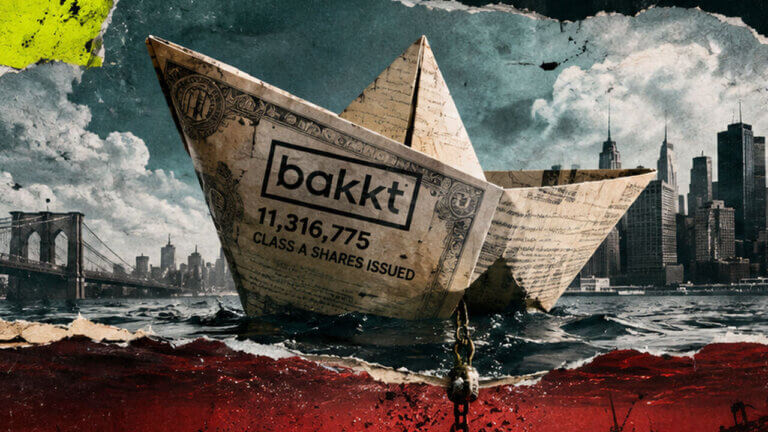
The 2025 statements recorded €5,315 in other income and €373,857 in cash before the April acquisition.

Blockchain data shows Shelbit processed billions through rotating wallets and had $318 million in transactions involving Russia’s sanctioned A7 network.
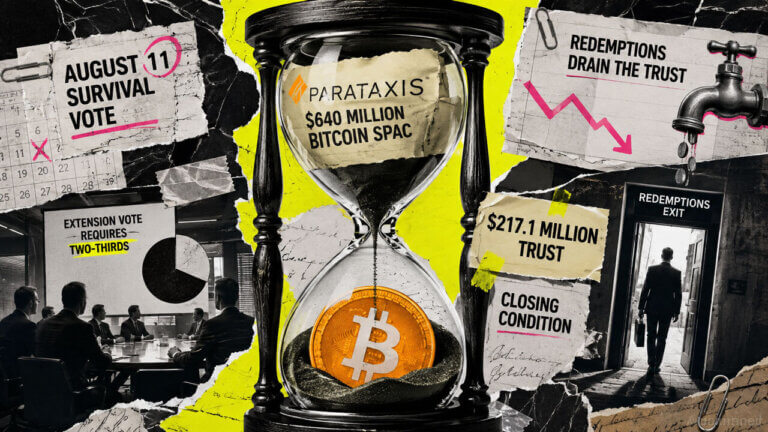
SilverBox can salvage four more months, but redemptions may drain the trust needed to close.

The law names “HTX (HUOBI GLOBAL SA),” while HTX previously said in a UK case that the company is separate from its online platform.

The RPC and explorer remained available beyond noon, but QuickSwap’s Dogechain route redirected users to Polygon and bridge withdrawals remained unproven.

The buyer owes $11 million later, while 3.58 billion WLFI still need registration effectiveness to become transferable.
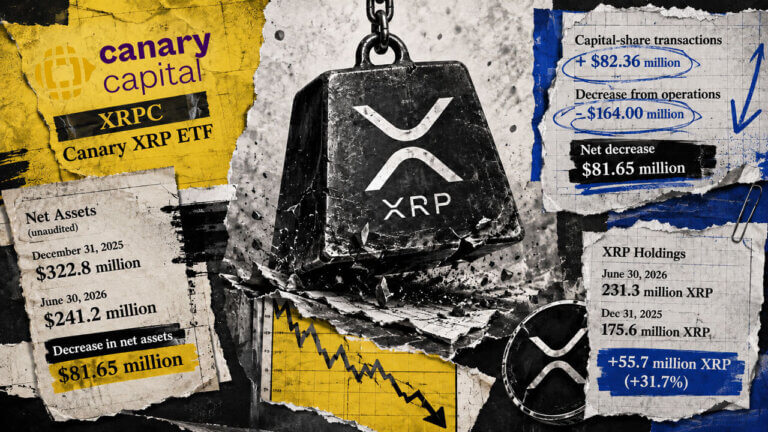
Unrealized XRP depreciation erased nearly twice the value added by net capital-share activity as token holdings rose 31.7%.

The pre-revenue company ended June with $577,328 in cash while its RoboShare pilot and discounted equity facility remained conditional.
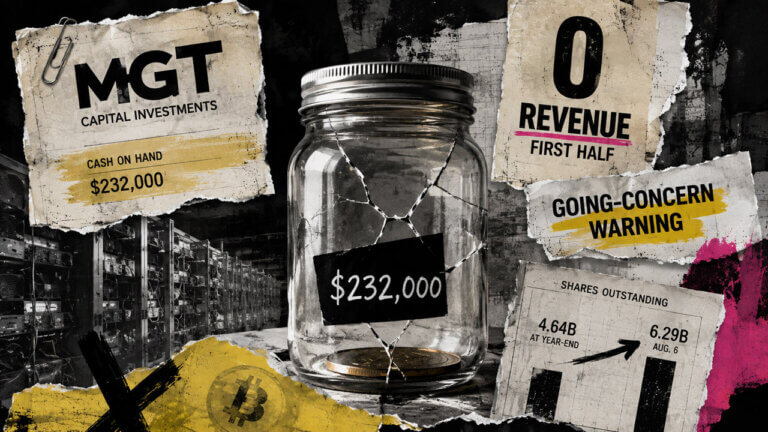
Only 800 million of those shares raised $700,000 in cash as the inactive miner searched for an operating restart.
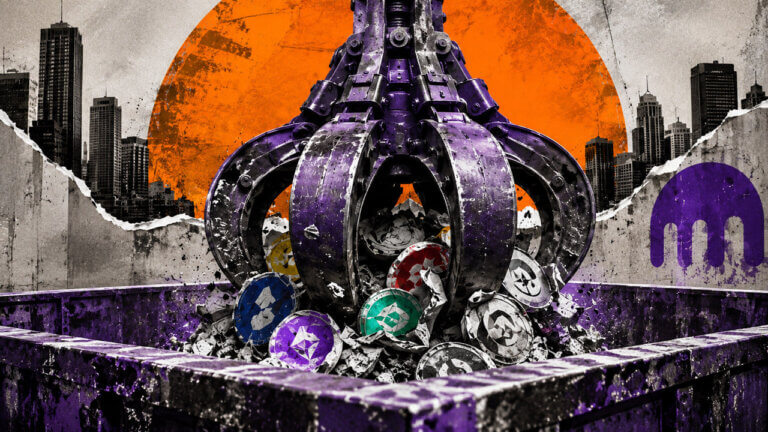
Withdrawals close at 14:00 UTC, then thin markets could determine what automatic liquidation returns.
