Why GENIUS could leave digital dollars vulnerable to sudden blockchain network ‘bank runs’
A Federal Reserve staff paper shows how congestion and weak network effects can push holders toward redemptions or chain migration even with safe backing.


A Federal Reserve staff paper shows how congestion and weak network effects can push holders toward redemptions or chain migration even with safe backing.

ASIC’s grace period is ending, with unlicensed firms facing penalties that can reach 10% of annual turnover.

BTC fund flows have flipped direction four sessions in a row while altcoin ETF momentum suddenly cracked.

Memecoin traders are turning Robinhood’s tokenized stocks into liquidity for a new wave of 24/7 crypto markets.

Silicon’s shutdown gives users four months to unwind assets as liquidity disappears and the chain heads toward permanent closure.

The labor market is cooling, but surging crude is keeping inflation fears alive weeks before the September decision.

The network stayed secure at the consensus level, but the emergency response jailed validators and disrupted exchange transfers.

Copied support records exposed varying combinations of identity, location and compliance data, while private keys and customer funds remained safe.

Coin Metrics found market plumbing drove much of the volume while reserve income supplied 95.2% of Q2 revenue.

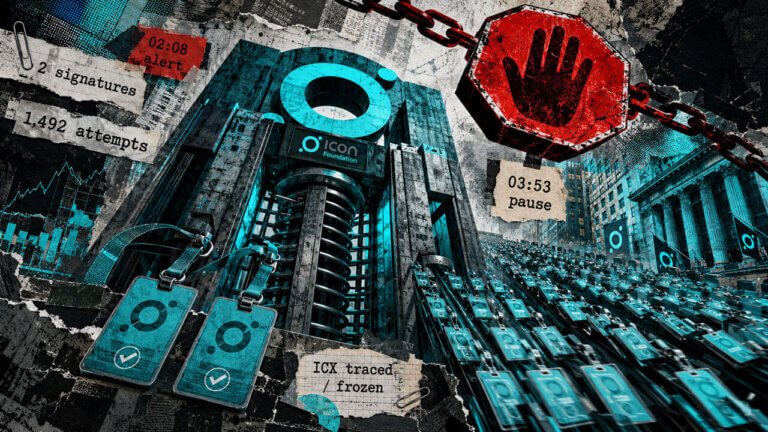
Cronos restored pre-exploit state, Ontology paused before a confirmed loss, and ICON halted after assets reached exchanges, exposing three different emergency powers and recovery risks.

Coinbase paused CORE sends and receives while LBank suspended deposits, but Core has not quantified the excess rewards.

The Aug. 30 postmortem traces the replay flaw to mismatched serial-number checks and a 105-minute response gap.