
Prop Trading
Are Prop Firms Legit? Legal Status, Red Flags, and Checks
Some prop firms are identifiable operating businesses, but the label does not prove how an account works, what is payable,...
Evergreen guides for crypto professionals. Deep dives, explainers, and research-backed playbooks designed for long-term relevance.
Some prop firms are identifiable operating businesses, but the label does not prove how an account works, what is payable,...
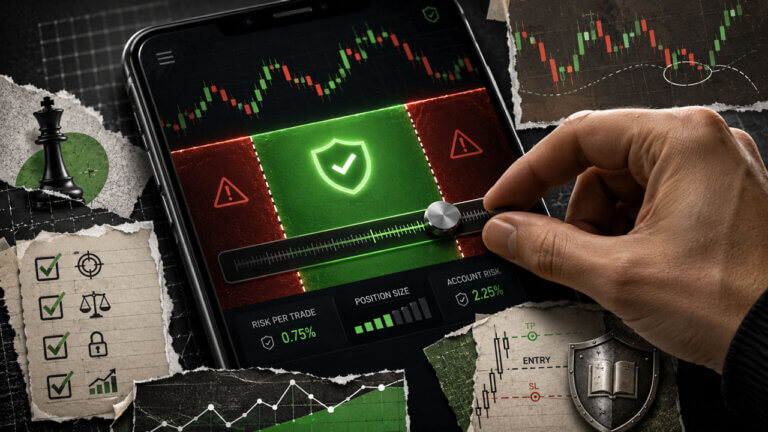
A passing plan starts with the account's usable loss room, then sets personal limits for daily risk and trade size...
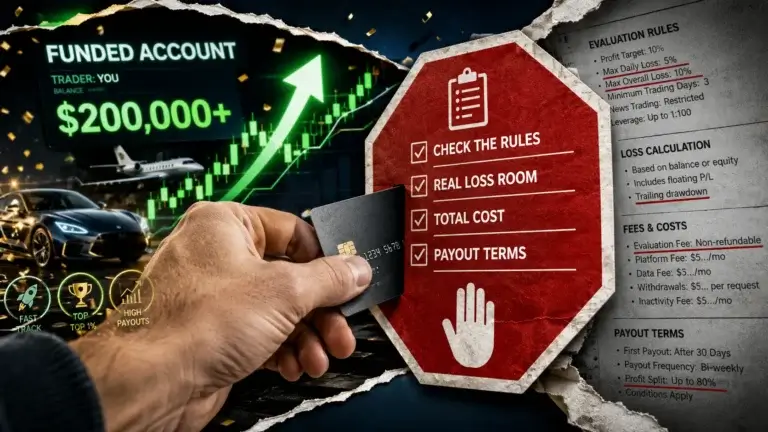
The right prop firm product fits a documented trading method after its rules, real loss room, total route cost, and...

Prop firms give traders access to rules-based trading programs, but the account may use live capital, simulated capital, or a...

Prop trading uses a firm's capital or a firm-controlled program to pursue trading returns under defined risk limits. The same...

A funded label does not establish whether orders reach a market. The account agreement must distinguish simulated performance from live...

Crypto prop trading can involve firm-owned live positions or a funded-program contract that rewards simulated performance. The instrument and account...

A prop firm scale-up can change account size and position capacity. Other contract terms may move separately. The advertised balance...

Cryptocurrency trading is buying, selling, or exchanging digital assets to try to profit from price changes or manage market exposure.

Before real funds move on a blockchain, developers and users test everything on a testnet. Learn how testnets work and...

ZK proofs show up everywhere in crypto, from rollups to identity systems to shielded payments. This guide breaks down how...

A mainnet is the live version of a blockchain, where real money moves, fees are paid, and mistakes cannot be...