

Overview
Introduction
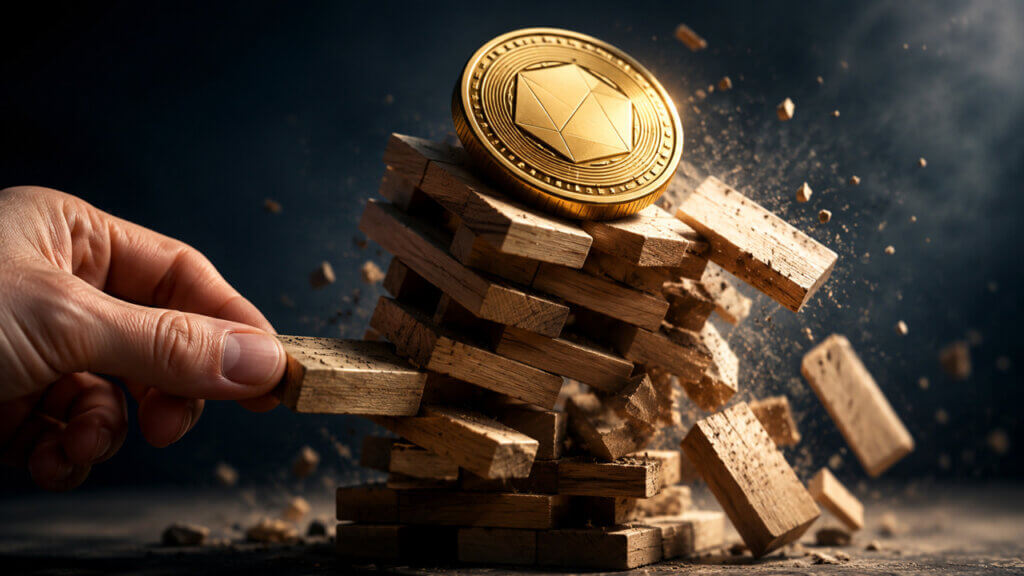
A rug pull is a crypto exit scam where insiders attract buyers, then remove liquidity, dump hidden supply, or block selling so later buyers are left holding a token they cannot exit at a fair price.
Not every token crash is a rug pull. Prices can collapse because hype fades, volume dries up, or the market turns against a project. The term fits when privileged wallets or contract owners use control over a token's market, supply, or transfer rules to extract value from everyone else. That risk shows up most often in fast-moving token launches, where listing a new pair is far easier than getting listed on a centralized venue.
Key Takeaways
- A rug pull is insider extraction, not just a token price drop.
- The main rug mechanisms are liquidity pulls, insider dumps, and sell restrictions such as honeypots.
- Locked liquidity and audits can lower one risk, but they do not prove a token is safe.
- The fastest checks are LP ownership, holder concentration, contract permissions, and a small test sell.
- If you already got hit, preserve evidence first and ignore anyone selling fund-recovery promises.
What Does Rug Pull Mean in Crypto
A rug pull is not just a token that went to zero. It means insiders used project control to leave buyers with losses they could not reasonably avoid once the trap was sprung.
A weak roadmap, a broken promise, or a bad launch can wreck a token without qualifying as a rug pull. The key difference is insider control. If founders or connected wallets can drain the pool, mint more supply, dump large undisclosed allocations, or stop normal holders from selling, the loss is not just market risk. It is an exit built into the structure from the start.
The phrase also gets mixed up with broader fraud terms. A fake presale, a phishing link, and a frozen exchange withdrawal are all scams, but they are not rug pulls. If you are searching for rug pull meaning or crypto rug pull meaning, the clearest answer is that a rug pull centers on a token or pool that looked tradable until insiders pulled value or blocked exits.
How Crypto Rug Pulls Work
Crypto rug pulls work by turning buyer demand into an insider exit. Money comes in through a new token launch, a trading pool, or a short hype cycle. Then insiders cash out through a mechanism that ordinary holders cannot match or even see coming.
Most of the practical risk appears on DEX launches because anyone can create a token, pair it with ETH, SOL, or a stablecoin, and start trading within minutes. That open access is part of the appeal. It is also why buyers need to check more than the chart. If you need a quick refresher, this guide to decentralized exchanges explains how pairs on DEXs work.
Liquidity Pulls on DEXs
A liquidity pull is the most direct version of a rug. The wallet controlling the pool removes the valuable paired asset and leaves buyers stuck with the weaker token side of the pair.
A creator seeds a pool with the new token and a real asset such as ETH or USDT. Buyers swap in, which pushes the real value sitting in that pool higher. If the creator still controls the liquidity provider tokens, they can withdraw the paired asset whenever they want and leave little or no exit liquidity behind.
That is why “liquidity locked” gets so much attention. A lock reduces this exact move. It does not prove the contract is clean, the holder distribution is fair, or the team is honest.
Insider Dumps and Slow Rugs
An insider dump happens when founders, early wallets, or coordinated accounts sell large hidden allocations into public demand. By the time most buyers notice, the exit is already done.
Some exits happen in seconds. Others play out over hours or days, which is why people call them slow rugs. The chart looks less dramatic than a pool drain, but the underlying problem is the same: buyers thought they were entering a fair market, while insiders had a far better exit position than anyone realized.
The warning sign is not simply that early wallets sell. It is that insiders held meaningful control they never clearly disclosed, then used fresh buyer demand as their way out.
Honeypots and Sell Restrictions
A honeypot is a token that lets you buy but blocks normal selling, or makes selling so expensive that your position is effectively trapped. You can watch the price go up. You just cannot leave.
The restriction can sit in blacklist rules, transfer logic, tax settings, or privileged wallet exemptions. Your wallet balance may show a gain on paper, but when you try to exit, the transaction fails or the trade terms destroy the value.
If you cannot sell under normal conditions, the quoted value is not your value.
Rug Pulls vs Pump-and-Dumps vs Honeypots vs Exit Scams in Crypto
A rug pull is not the same as every other token scam, even though the categories often overlap. Here is how the main types differ:
| Term | How It Usually Shows Up |
|---|---|
| Rug pull | Insiders use project control to drain value, dump supply, or abandon buyers. |
| Pump-and-dump | Promoters hype a low-liquidity asset, sell into demand, then leave late buyers exposed. |
| Honeypot | Buyers can purchase, but contract rules prevent or punish selling. |
| Exit scam | Operators collect funds for a product, sale, or platform, then disappear or stop honoring obligations. |
| Failed project | A project collapses without clear insider extraction or deliberate trapping. |
One token can fit more than one label. A memecoin launch can be promoted like a pump-and-dump, coded like a honeypot, and end with a liquidity drain. For anyone comparing pump and dump vs rug pull, the practical difference is whether insiders relied mostly on hype-driven selling or on control over the token's market structure and exit rules.
Why Memecoins and New Tokens Get Rug-Pull Allegations
Memecoins and fresh launches draw more rug-pull claims because they combine thin liquidity, fast hype, weak disclosure, and very little time for buyers to inspect the setup before the price moves.
A token can launch, trend, and crash before most retail buyers have even checked the holder list or contract permissions.
The launch environment rewards surface signals that are easy to fake. Viral posts, aggressive community moderation, copied websites, influencer screenshots, and inflated market-cap claims can all make a token look larger and safer than it is. Thin real liquidity is what makes that illusion dangerous. A quoted price can rise quickly even when only a small amount of money could leave the pool without crushing the chart. That is one reason the phrase meme coin rug pull shows up so often in searches after a fast collapse.
Memecoins are not automatically scams. They tend to launch in conditions where asymmetric information is high and due diligence is low, which makes abuse easier to hide and harder to prove until after the fact.
Red Flags Before a Rug Pull: How To Avoid Them
The clearest rug-pull red flags are unusual insider control, weak exit liquidity, and a public story that does not match the on-chain setup.
Contract Permission Red Flags
The most dangerous red flags are invisible until you look for them. They appear when owners or privileged wallets can still change the rules after you buy.
Watch for unverified source code, proxy contracts that hide logic changes, and owner powers that let someone mint tokens, blacklist wallets, freeze transfers, raise taxes, or pause trading. “Renounced ownership” is not a clean bill of health if other privileged functions still exist elsewhere in the contract.
If a project cites an audit as proof of safety, check what that audit actually covers. An audit can miss later code changes, carry a narrow review scope, or overlook risks that come from holder concentration rather than the code itself.
Liquidity and Holder Red Flags
Liquidity and holder concentration tell you whether you are entering a real market or a fragile exit trap.
Check whether LP tokens are locked, burned, or still controlled by the team. Review the top holder list for a few wallets controlling too much supply. Watch for wallet clusters that appear separate but move in a coordinated pattern.
Hype and Community Red Flags
Community behavior can expose a scam long before the contract does.
Be wary when basic risk questions get deleted, critics get banned, partnership claims cannot be verified, or urgency replaces explanation. A token that keeps telling you speed is the edge may be trying to stop you from checking who controls the exit.
How to Check a Token Before You Buy
Checking a token before you buy means verifying the live contract, the live pool, and your ability to exit before the hype shapes your judgment.
Start with the contract address from the project's official channel, not from a copied ticker or search result. Then work through this checklist before committing meaningful funds:
- Open the live trading pair and check real pool liquidity instead of relying on market-cap screenshots.
- Review LP token ownership and the length of any lock.
- Inspect the top holders for outsized insider concentration or coordinated wallets.
- Check whether the contract can still mint, blacklist, pause, freeze, or change sell taxes.
- Simulate or run a very small test sell before assuming the token is truly liquid.
- Compare audit claims against the current verified contract rather than a graphic on social media.
If you are looking for a rug pull checker, use automated tools as a starting filter rather than a final verdict. Tools such as Honeypot.is, Token Sniffer, RugCheck, Bubblemaps, GeckoTerminal, and DexScreener can surface common red flags, but no rug pull checker can guarantee that a token is safe. For Solana tokens specifically, RugCheck is often the first stop for a rug pull checker Solana traders use to screen new pairs.
If you are still figuring out how to get ETH or USDT into a wallet, start with this guide to buying Ethereum or this guide to buying Tether. Both assets fund most new-token trades on DEXs.
What to Do If You Got Rug Pulled
If you got rug pulled, stop sending money, stop engaging with the project, and treat any paid recovery offer as another scam unless official authorities direct you otherwise.
Preserve transaction hashes, contract addresses, wallet addresses, screenshots, social posts, website URLs, and a timeline of what happened. Projects that collapse fast often delete their public trail just as fast.
A worthless token is not the same as a compromised wallet. If the token is dead but your seed phrase was never exposed, your wallet may still be fine. If you approved a malicious contract, connected to a fake site, or entered your recovery phrase anywhere, move clean assets to a new wallet as soon as possible.
For U.S. users, the FBI's Internet Crime Complaint Center is the main reporting channel for online financial fraud. Reporting may not recover the funds, but it builds a formal record.
How to Reduce Crypto Rug-Pull Risk Without Becoming Paranoid
Reducing crypto rug-pull risk comes down to changing how much trust a new token must earn before it gets meaningful money. You do not need to avoid every new launch, but you should assume that early liquidity and social proof can be engineered.
A practical habit set:
- Size positions in new tokens so a total loss is survivable.
- Wait past the first hype window before buying. Rug pulls happen fastest in the first hours of trading.
- Check whether real exit liquidity exists before entering, not after.
- Keep speculative hot-wallet funds separate from long-term holdings.
If you are new to DeFi and want to reduce exposure to unverified token contracts, crypto exchanges for beginners offer a curated starting point before moving into raw DEX launches. A centralized venue still carries its own risks, including withdrawal issues and exchange failures, so it is not a universal safety guarantee. But it can reduce the chance of accidentally buying a scam contract when you are still learning how to read one.
If a token's main pitch is that waiting will make you miss the move, that urgency is part of the risk.
FAQs
What is a rug pull in crypto?
A rug pull in crypto is a scam where project insiders attract buyers, then use liquidity control, token supply, contract rules, or false promises to extract value or trap exits.
Is every memecoin a rug pull?
No. A memecoin can be speculative, volatile, or essentially useless without being a rug pull. The label fits when insiders use hidden control or misleading promotion to leave buyers unable to exit fairly.
Can a token be a rug pull if liquidity is locked?
Yes. Locked liquidity reduces the risk of a classic liquidity pull, but it does not prevent insider dumps, honeypot contract rules, mint abuse, hidden wallet clusters, or misleading team behavior.
What is a honeypot in crypto?
A honeypot is a token that looks buyable but blocks, taxes, or restricts selling for normal buyers. Some honeypots are detectable with a sell simulation before you buy. Others use more layered contract logic that requires deeper inspection.
Are rug pulls illegal?
Some rug pulls result in fraud, market-manipulation, money-laundering, or securities-law claims, but the legal outcome depends on the facts and jurisdiction. Regulators and prosecutors typically look at promises made to buyers, who controlled the funds, intent, and how proceeds were moved.
Can Bitcoin be rug pulled?
Bitcoin itself cannot be rug pulled the same way a newly created token with insider liquidity or contract permissions can. People can still lose money through fake Bitcoin products, wrapped-token scams, phishing, custodial failures, or pump-and-dump schemes that use Bitcoin’s name.
