



- Up to 200x on select BTC and ETH futures
- Verified withdrawal limit up to 3,000 BTC
- HTX Web3 Wallet gives a self-custody option
HTX Overview
- Crypto Exchange Name
- HTX
- KYC
- Yes
- Products
- Spot, Margin, Futures or Perps
- Total Assets
- 700+
- Staking
- No
- Copy Trading
- No
- Derivatives
- Yes
- Proof of Reserves
- Yes
- Maker Fee
- 0.2%
Additional details
- Restricted Countries
- United States of America, China, Hong Kong, Cuba, Iran, North Korea, Sudan, Syria, …United States of America, China, Hong Kong, Cuba, Iran, North Korea, Sudan, Syria, Venezuela, Singapore, Myanmar, United Kingdom, Austria, Belgium, Bulgaria, Croatia, Cyprus, Czechia, Denmark, Estonia, Finland, France, Germany, Greece, Hungary, Ireland, Italy, Latvia, Lithuania, Luxembourg, Malta, Netherlands, Poland, Portugal, Romania, Slovakia, Slovenia, Spain, Sweden
- Supported Cryptos
- HTX Token, Tether, Bitcoin, Ethereum, Bitcoin Cash, …HTX Token, Tether, Bitcoin, Ethereum, Bitcoin Cash, Litecoin, EOS, Cardano, XRP, Dash, IOTA, Zcash, Steem, Monero, DIA
HTX Screenshots
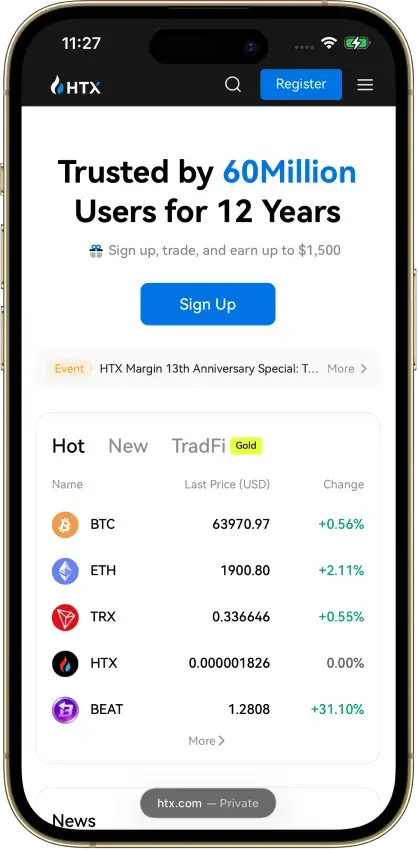
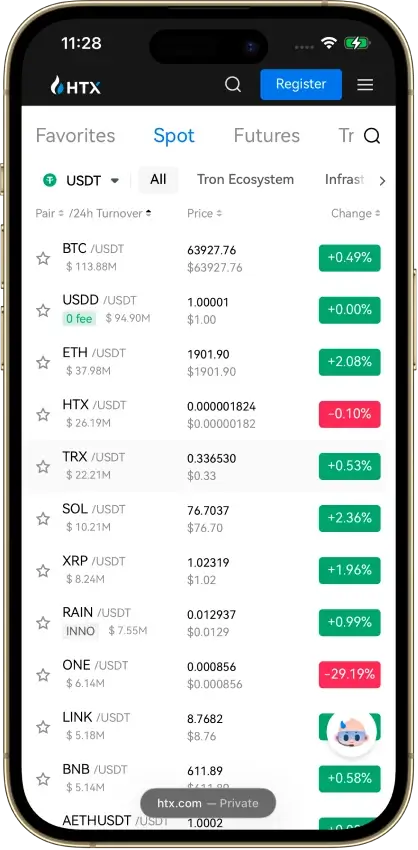
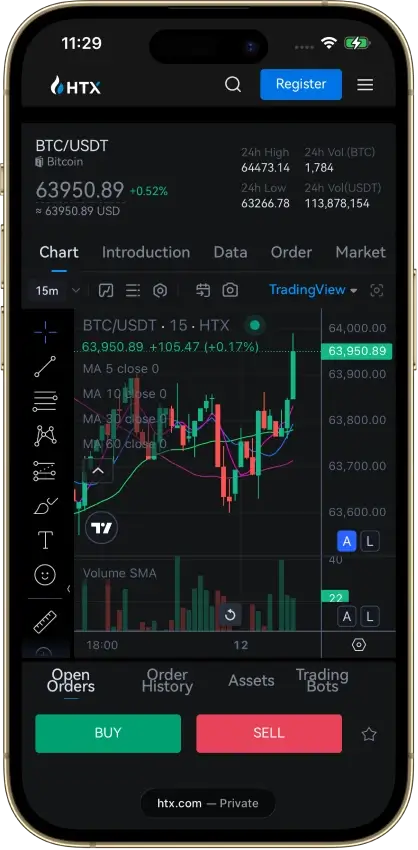
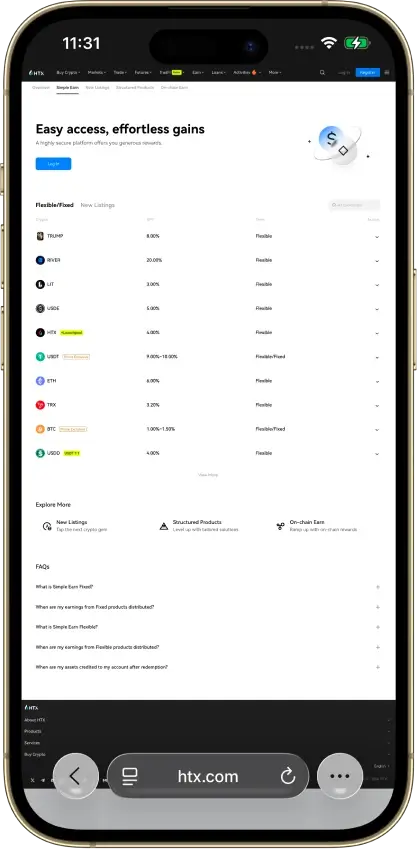
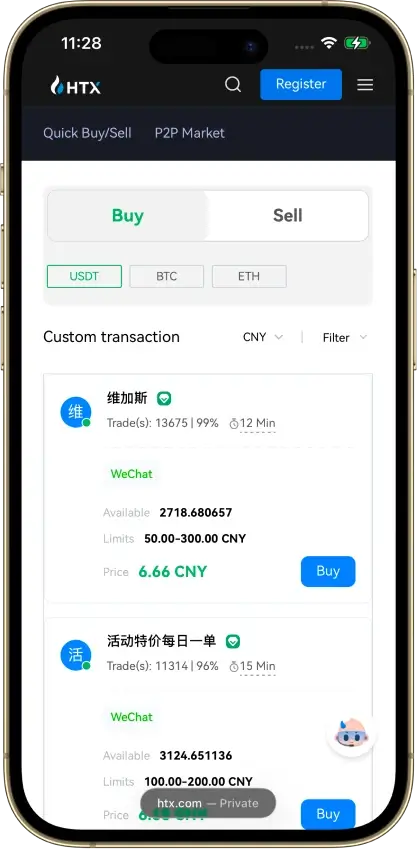
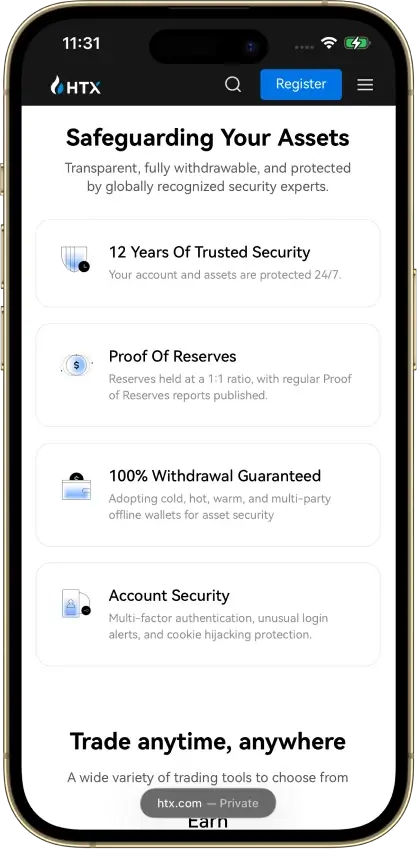

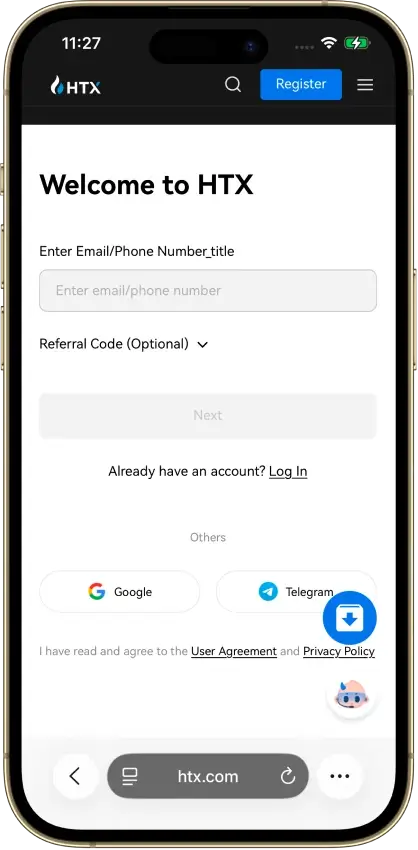
Screenshot 1 of 8
HTX Pros and Cons
Pros
- 700+ assets with large books on majors
- Full spot, margin, futures, and options stack
- REST and WebSocket API access
- HT holdings cut spot fees by up to 50%
- Made users whole after the 2023 hack
Cons
- Frozen funds after source-of-funds demands
- Support goes silent on frozen-account cases
- Reserve quality questioned by analysts
- UK FCA action and May 2026 UK sanctions
Quick Decision: Is HTX Worth It?
HTX is worth it if you want broad liquidity on majors and plan to use the spot and derivatives engine for active trading, and if you're comfortable moving funds off the platform afterward. What you accept for that is a custodial trust profile many users distrust. It fits poorly for anyone who needs a Tier-1 regulated venue, dependable bank cash-out rails, or the confidence that a withdrawal will clear the same way once a compliance flag lands.
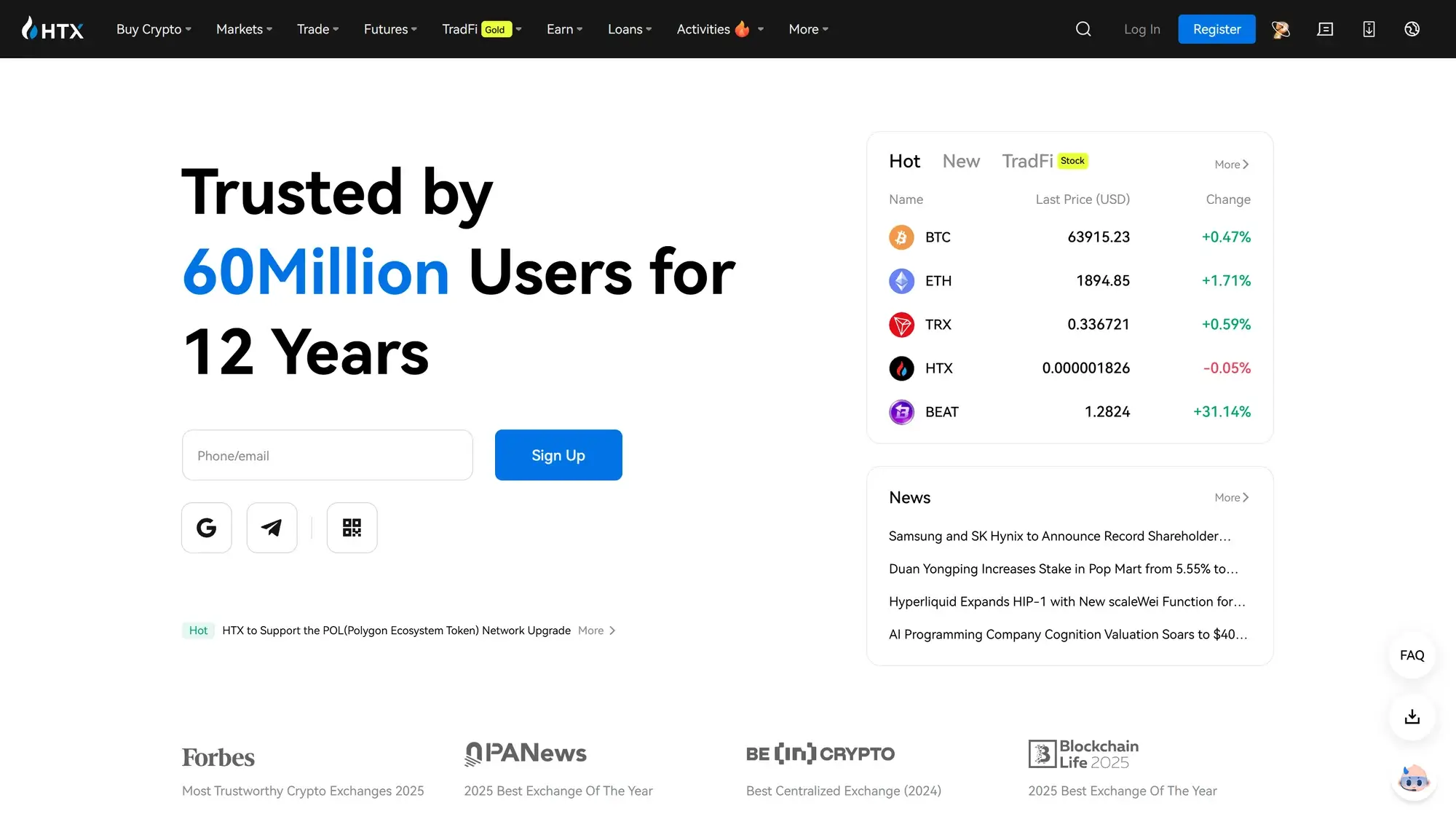
So use HTX as a liquid place to trade altcoins and derivatives before moving funds to your own wallet. Skip it if you need a safe, regulated home for long-term balances, or if you live in the United States. If you are still weighing options, it helps to compare other crypto exchanges before committing funds.
Who HTX Is Best For And Who Should Skip It
HTX serves a narrow profile well, and the fit comes down to one question: do you treat it as a trading screen or as a custodian?
HTX fits an active trader who values liquidity and asset range, trades derivatives, and withdraws profits to self-custody. That user gets a fast engine and large books without leaning on the custodian for safety. For anyone who needs to store value, cash out to a bank, or lean on support, the friction outweighs the upside. The frozen-funds cluster, the thin fiat rails, and the months-long holds on flagged accounts turn HTX from a trading tool into a liability.
Features And Services
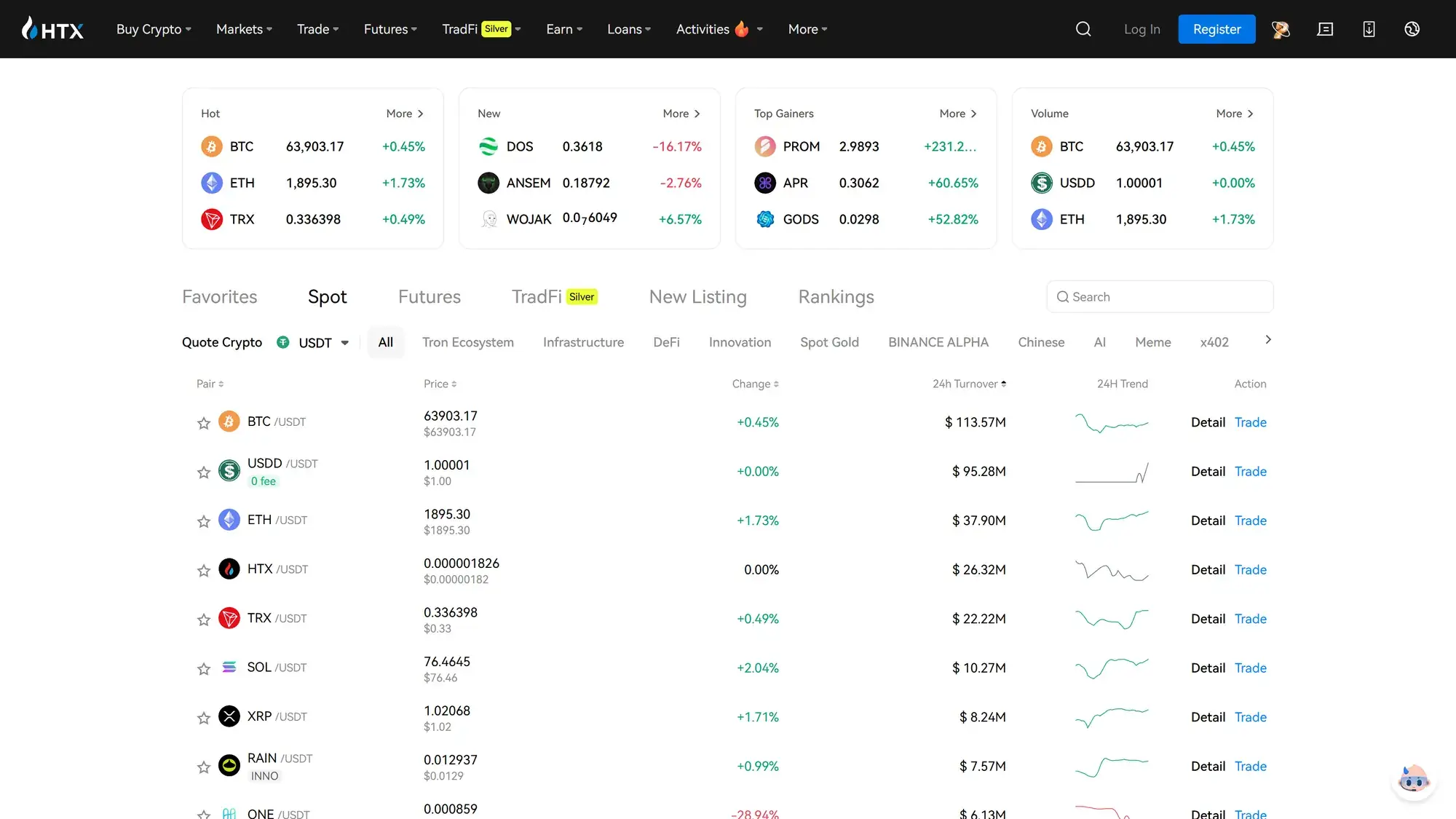
HTX offers a full multi-product stack under one login. Spot, margin, perpetuals, options, an OTC desk, staking, copy trading, a Launchpad, and a Web3 wallet all sit inside the same account. The range is genuine, but the custodial trust profile caps how much of it a cautious user should rely on.
Most users come to HTX for the spot and derivatives engine, so liquidity and execution matter more than the side products. The wallet, Launchpad, and earn tools are secondary, and the custodial trust profile means storage-heavy features deserve more caution than the trading screen.
Supported Assets And Markets
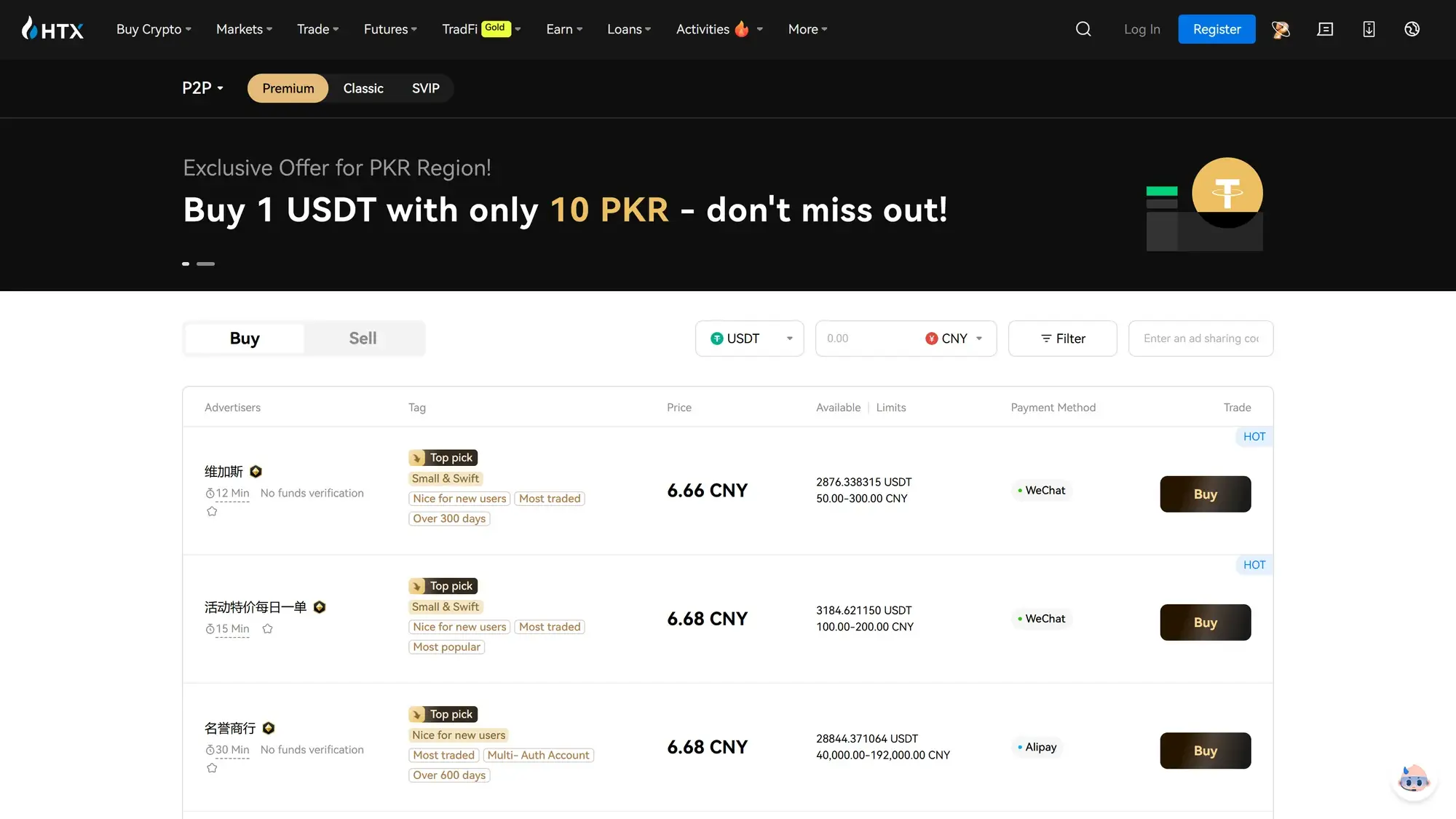
HTX lists a wide menu, with the volume concentrated on majors and the range filled out by a long altcoin tail. Stablecoins still do much of the work that fiat does on other venues.
HTX is broad on assets and networks but still weaker on fiat than large regulated venues. The practical base currency for many users remains a stablecoin, while direct fiat support depends on region, partner coverage, and verification status.
Staking And Rewards
Staking on HTX is an add-on to the trading engine, not the reason to be there. The bigger question is counterparty trust, since staked assets sit with a custodian many users distrust.
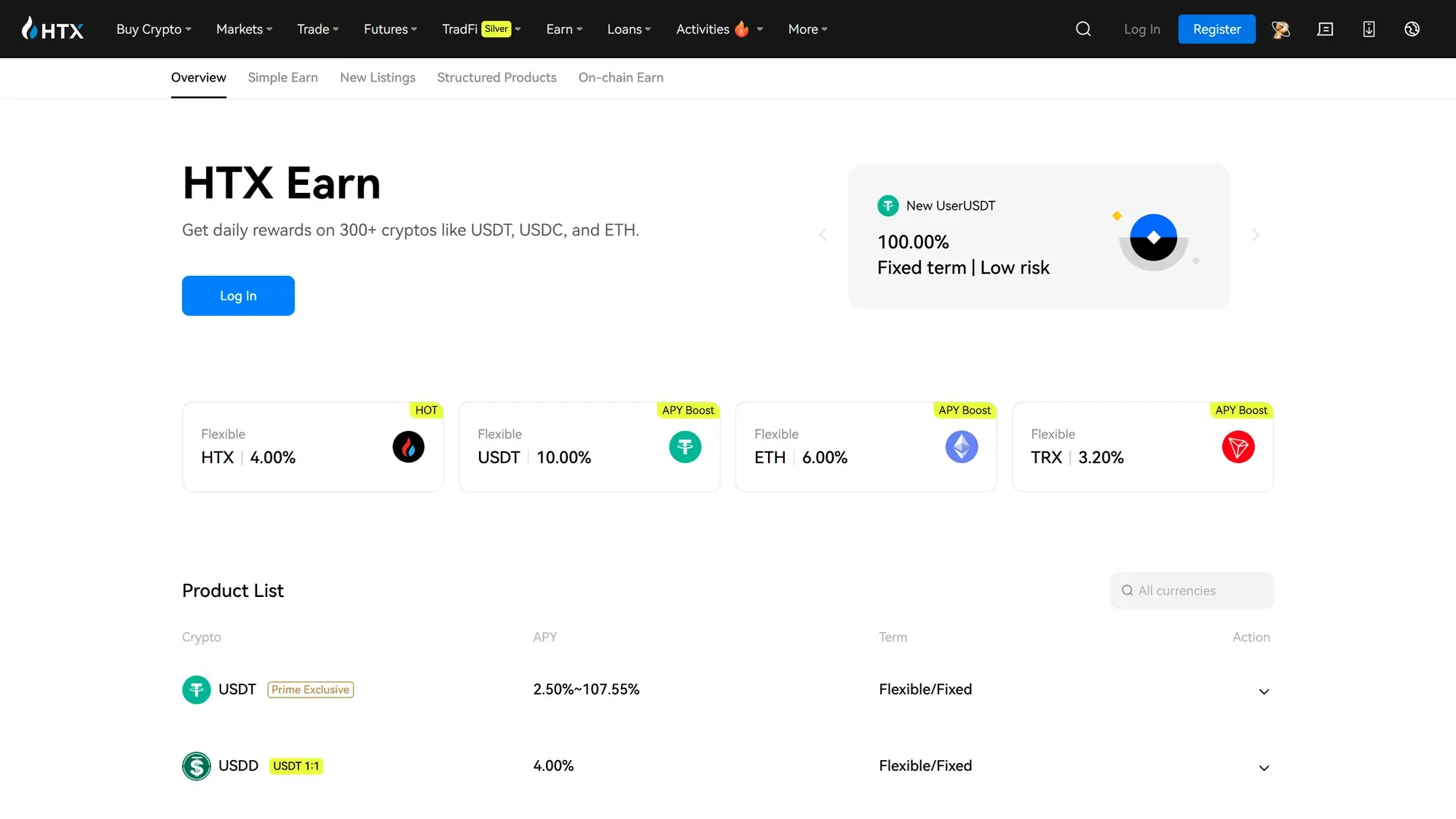
HTX offers more than a stub here. Earn surfaces cover 100+ major digital assets and include products such as staking, ETH 2.0, and Dual Investment. The harder part is judging net yield across products, lockups, and counterparties, so rate shopping alone is not enough reason to keep size on the platform.
Wallet And Self-Custody Options
HTX is custodial by default, so balances sit with the exchange unless you move them. The separate HTX Web3 Wallet steps into a different custody model where the user holds the keys.
That shift matters. Inside the exchange, HTX controls the assets and can apply compliance holds. In the HTX Web3 Wallet, the user controls the keys and carries the network-fee and seed-recovery risk instead. Given the frozen-funds pattern on the custodial side, moving funds to self-custody is the route most cautious users will take once trading is done.
API And Programmatic Trading
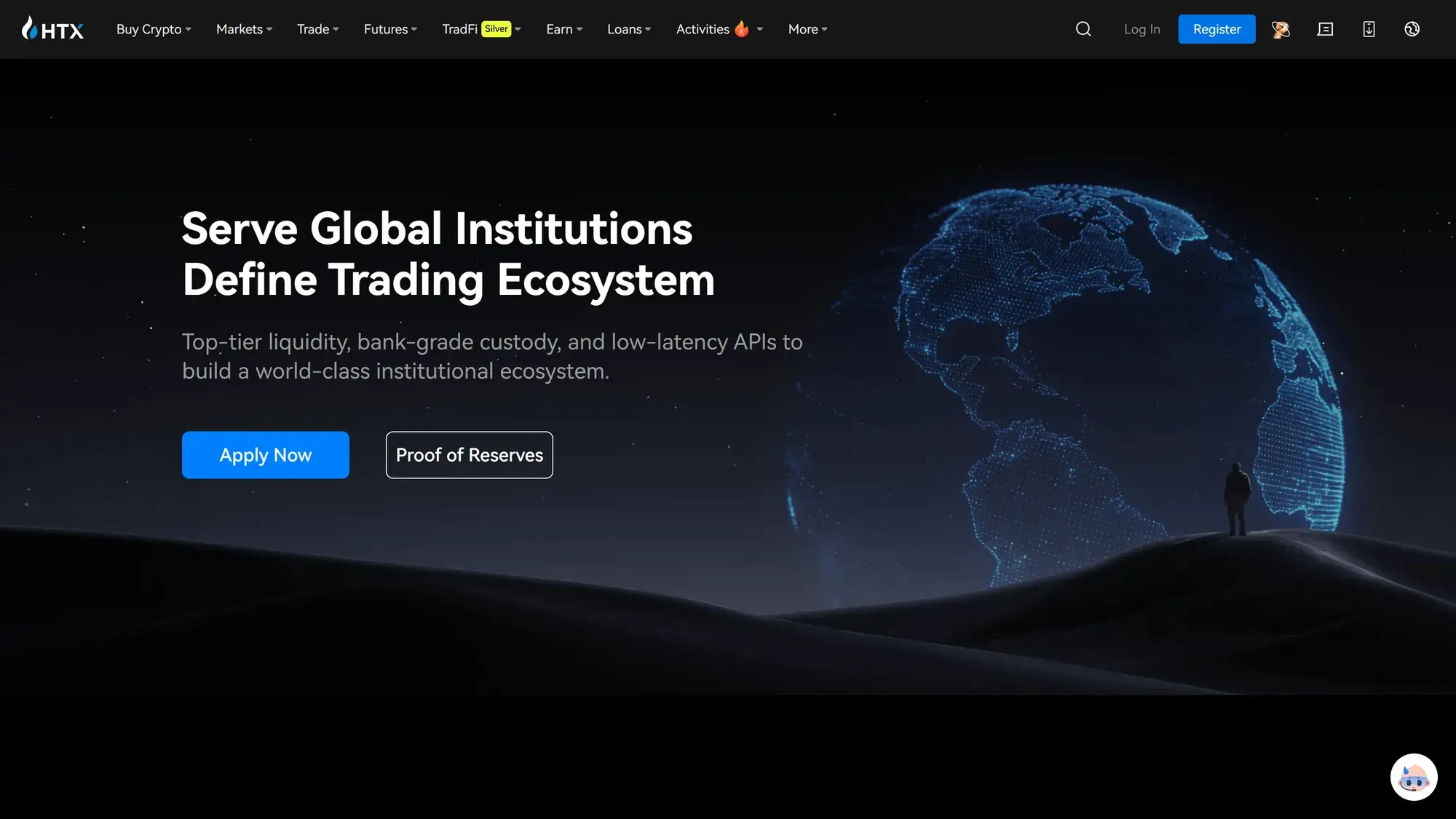
HTX offers REST and WebSocket APIs, not FIX, which is where its pro and institutional use splits from its retail one. For a normal buyer the API is irrelevant. For active and algorithmic traders it is a genuine reason to be here.
The API matters most for the active trader this rating targets. REST and WebSocket coverage make HTX a workable venue for automated strategies, though the custodial trust profile still caps how much capital a careful desk will keep on the platform.
Fees And Pricing
HTX is cheap on derivatives and only average on spot. The cost story is less the matching engine and more the funding path, where card and fiat availability depend on region, KYC status, and partner coverage.
Most of the surprise cost sits at the funding stage. Spot at 0.2% is at the upper edge of category-standard, and partner pricing, local rails, and regional availability make the fiat on-ramp less predictable than the trading screen suggests.
Hidden Costs To Watch On HTX
The headline maker/taker number does not capture where HTX actually gets expensive. The drag sits at the edges of the trading flow, in the on-ramp and the house-token economics.
- Card, bank, and P2P entry do not price the same. Even where direct fiat or card support exists, the cheapest route depends on region, partner spread, and the local rail you use.
- HT holdings gate the cheapest spot rate. The standard 0.2% only drops up to 50% if you hold HT, so the advertised low rate assumes house-token exposure most users do not want.
- Perpetual funding adds ongoing cost. Funding rates on USDT- and coin-margined perps accrue over time, which derivatives traders feel on held positions beyond the quoted entry fee.
- Crypto withdrawal network choice changes the fee. A wrong-network or high-fee chain choice costs more than a low-fee route for the same asset, which affects every user cashing out.
The cheapest realistic path is to fund with stablecoins from self-custody, trade derivatives or hold HT for the spot discount, and withdraw on a low-fee network. A normal beginner is unlikely to follow that route without effort, so beginners face the highest effective cost.
VIP Tiers And Fee Discounts
HTX offers a volume-and-token VIP system, so the best pricing is not the public entry rate. The cheapest spot rate depends on HT holdings plus 30-day volume.
The public entry tier is not competitive on spot, since 0.2% sits at the upper edge for a large venue. Good pricing begins once a user posts high 30-day volume or holds HT, which means the headline discounts are out of reach for casual traders.
Deposits, Withdrawals, KYC And Availability
Funding and exit friction decide the HTX experience more than the feature list. The platform leans on stablecoins and P2P for entry, and its withdrawal reliability is the single most serious complaint area.
Verification status matters far more than the method you choose. Routine crypto withdrawals clear within hours, but a compliance flag plus a source-of-funds demand can freeze a verified account for months, and that is the friction users feel hardest.
What U.S. Users Need To Check Before Signing Up
US users are not allowed to use HTX exchange. There is no US entity and no FinCEN or MSB registration. Residents of the United States cannot register, trade, deposit, or withdraw, and a VPN does not get past the verification wall. Those who want a regulated venue with full spot and derivatives access should review crypto exchanges available in the US.
Payment Rails, Networks, And Limits
Once money starts moving, HTX still behaves like a stablecoin-first venue. Fiat rails exist, but they are thin, region-gated, and less predictable than at large regulated exchanges. The limits that bite still appear after a compliance flag, not at a named tier.
Fiat Rails By Region
The bank rail exists, but not evenly. HTX supports some direct fiat deposit and withdrawal paths, while many users still end up in P2P or partner channels.
Crypto deposits stay simple, while fiat entry hinges on local rails, partner coverage, and verification level, so the on-ramp carries more uncertainty than the order book does.
Withdrawal Networks And Fees
A supported asset does not guarantee a low-fee network. The chain you pick on withdrawal changes the cost more than the asset itself.
For cash-out, a stablecoin on a low-fee chain such as Tron-based USDT keeps costs down. The same balance sent over ERC-20 costs more, which is why the chain you choose drives the fee.
Verification Levels And Withdrawal Limits
HTX uses named KYC levels for limits, but the actual gate is a discretionary source-of-funds review that sits on top of them. Passing ID checks does not guarantee an open account.
The trigger for extra review is a compliance flag on deposited crypto, often older coins or transactions the system marks. When a user cannot show where those funds came from, HTX can deny withdrawals with generic rejections, and that pattern is the through-line behind the frozen-funds complaints.
Is HTX Safe? Security, Custody And Proof Of Reserves
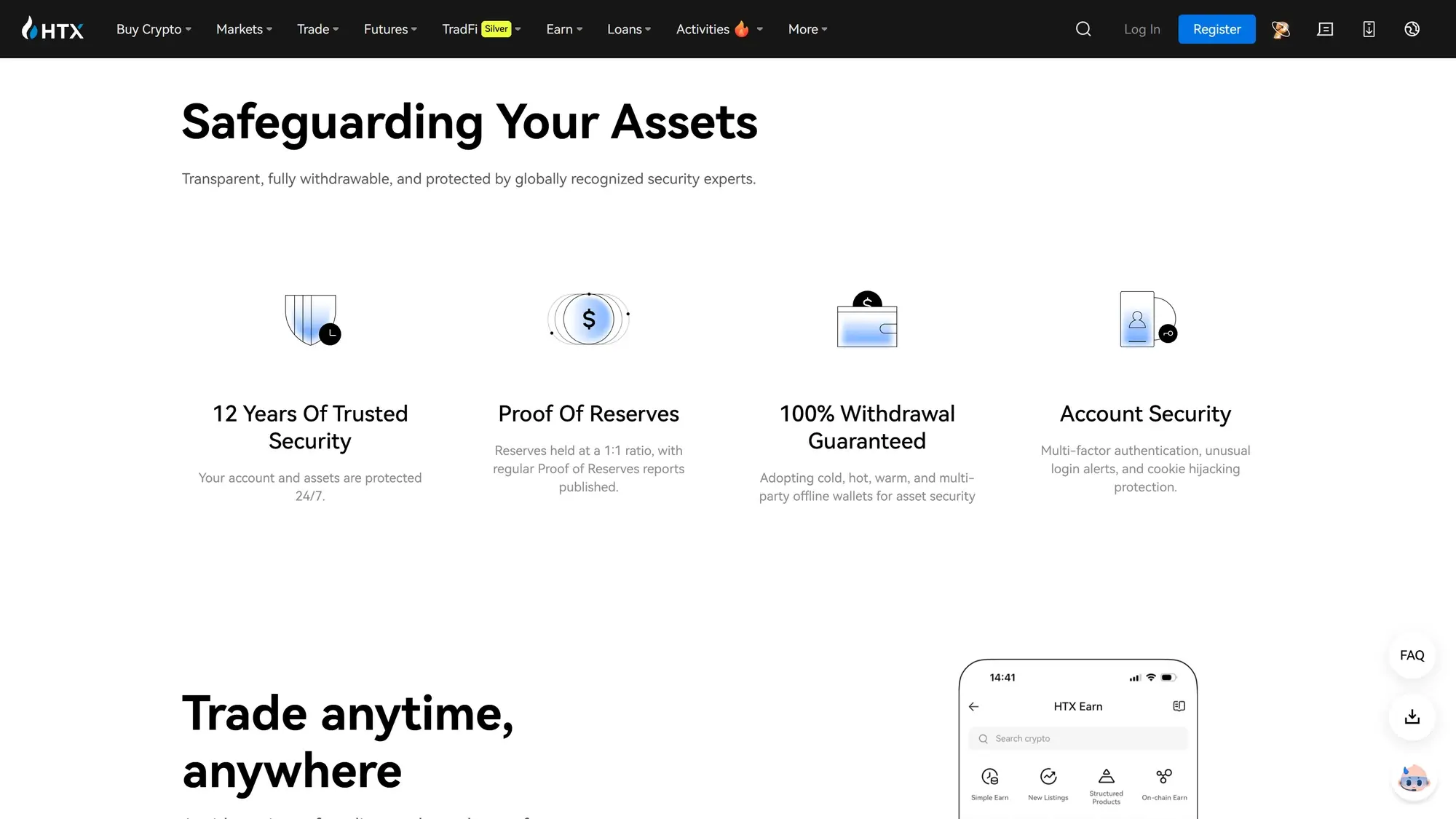
Trust on HTX is weak, and that is the core finding. The trading engine is liked, the custodian is not. No proof of insolvency exists, but a frozen-funds cluster, the Justin Sun link, questioned reserve quality, and UK regulatory escalation together cap how much a user should trust HTX with stored value. The made-whole record after the 2023 hacks is a genuine backstop. It does not offset the discretionary, low-transparency holds that hit individual accounts.
Controls
HTX offers baseline account-takeover protections. 2FA is supported through Google Authenticator and SMS, an anti-phishing code is available, and withdrawal address whitelisting is offered. Passkey or hardware-key support is not disclosed. These controls cut the risk of someone hijacking your login, but they do nothing about the custodial and compliance risks behind the bigger complaints.
Custody And Insurance
HTX is custodial and claims majority cold storage, though no independent verification backs that up. It does not disclose whether client assets are segregated, and fiat balances carry no deposit-insurance treatment. There is no stated crime or hot-wallet insurance policy either. So user assets rest on HTX's own controls and conduct, without an independent backstop.
Proof Of Reserves Or Audits
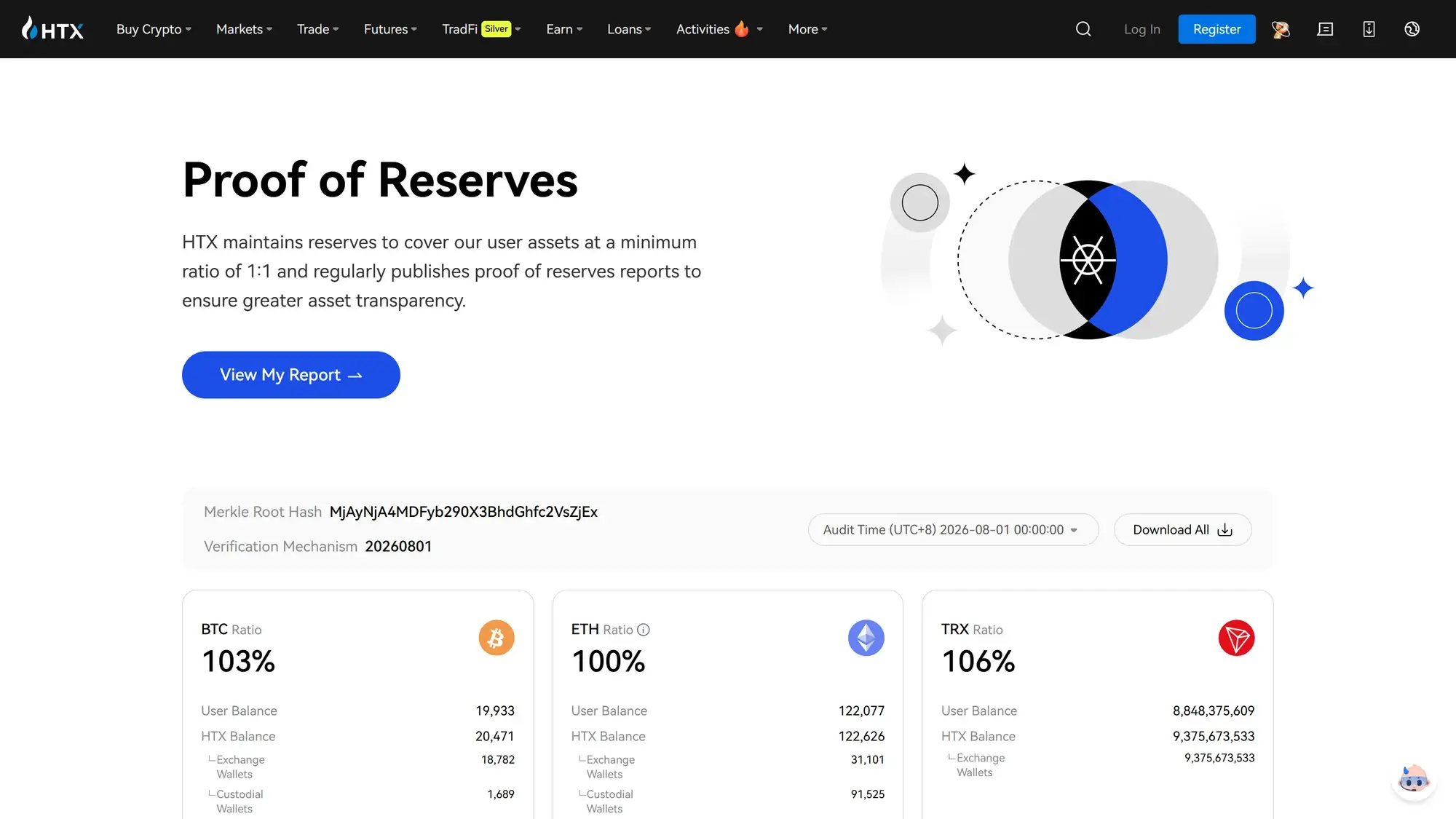
On reserves, HTX leans on disclosure over independent attestation. It publishes a Merkle-tree proof of reserves and a 2025 annual report claiming 100% asset backing, but neither is a third-party liability audit, and asset-side proof does not confirm solvency. Reserve quality is the bigger concern. A December 2025 reserve analysis found that much of the stated stablecoin reserve sat in lending venues instead of in immediately liquid form, with roughly $1.44 billion of about $1.78 billion in USDT on Aave and about $96 million on JustLend. The same analysis flagged that a large share of stated BTC reserves existed as a Poloniex-issued tokenized claim, at times exceeding Poloniex's own disclosed BTC. On top of that, the HT house token has historically been a large reserve component, so a gross 100% backed claim and clean-asset backing can pull apart.
Incidents And Remediation
HTX has a hack history, and its response is the part that matters. The September 2023 incident saw about 5,000 ETH, around $8 million, later returned for a white-hat bounty. The November 2023 hack drew roughly $258 million in net outflows as users pulled funds, and HTX and Justin Sun publicly covered the loss. The takeaway is mixed. The platform made users whole at the venue level, but the incidents sit alongside a Justin Sun link that drives much of the trust deficit.
App, UX And Customer Support
HTX is built for traders first, not newcomers. The product centers on the trading engine, and the experience holds up for routine queries but breaks down on the disputes that matter most. Support effectively disappears on frozen-account and compliance tickets, which is the genuine red flag, not any interface complaint.
UI And Navigation
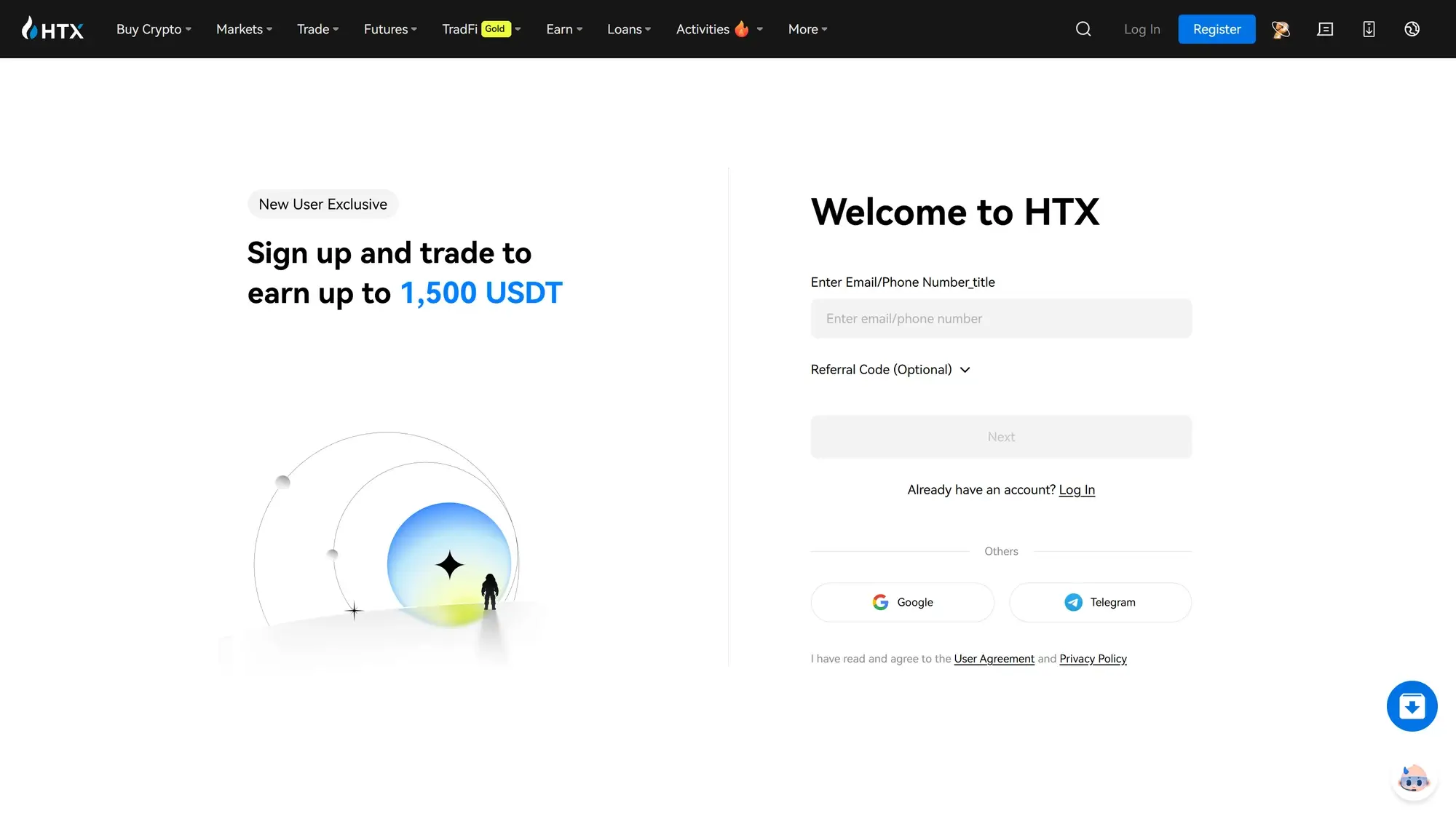
The platform orients around the trading screen over a simple buy flow. HTX now has Quick Buy, card-based purchase flows, and some direct fiat options, but access varies by region and verification status. The cheaper route, holding HT for the spot discount or trading derivatives, is not obvious to a beginner. So the wrong click can still push a user into a more expensive funding path while a lower-fee stablecoin route sits unused.
Mobile App
HTX offers iOS and Android apps. Users can fund, trade, and withdraw end to end on mobile, and account security controls such as 2FA are reachable in-app. A reliable app store rating for the primary global app is not disclosed. Some user comments praise app speed and liquidity, while others note poor P2P chat image quality after an update and difficulty reaching support inside the app.
Reliability And Status Page
HTX does not surface a clear status or maintenance page. In complaints, the reliability problem is rarely engine downtime. It is withdrawal holds clustered on flagged accounts.
Users do not usually get enough warning when a withdrawal gets held. The freeze arrives as a generic rejection, not a clear notice, which leaves flagged users without a predictable path to resolution.
Customer Support
Support leans on self-service first, with slow ticket escalation second. The danger zone is any compliance or frozen-account case, where users describe contacting support for weeks to months with no resolution.
- Help center with FAQ-led self-service
- Live chat that routes through FAQ search before a human
- Email and ticket support for account issues
- Complaints cluster on frozen accounts and source-of-funds reviews
- Support can fix routine queries and basic account questions
- Support often cannot reverse a discretionary compliance freeze
Support quality shapes the verdict here. Automated triage that buries the human channel for non-VIP users, plus silence on the exact disputes most likely to lock funds, is a core reason HTX scores poorly on trust.
HTX Alternatives
-


Coinbase
Coinbase fits U.S. users who fund by ACH and use Advanced, but Simple Buy costs and regional product rules require attention.
-

OKX
Global OKX fits active traders in supported markets. Country-specific product and fiat limits, self-published reserves, and the separate U.S. and Wallet surfaces require careful scope checks.
-

Kraken
Kraken combines quarterly reserve-inclusion checks with separate Pro trading tools and account security controls. Its entry spot fees and funding-related withdrawal holds are the main tradeoffs.
-

Binance
Binance.com combines 0.10% entry spot fees with deep liquidity and extensive trading tools, but access, fiat rails, and products vary by jurisdiction.
Anyone who needs bank rails, firmer regulatory standing, or a custodian they can trust should weigh the alternatives closely. Each option below fixes a specific HTX weakness, and each option is reviewed in full below.
- Coinbase Exchange — Regulated US access and bank rails. Higher fees on the simple buy flow.
- OKX Exchange — Comparable global asset range and derivatives. Still offshore on regulation.
- Kraken Exchange — Firmer compliance posture and fiat rails. Smaller altcoin long tail.
- Binance.US Exchange — Regulated access for the US residents HTX blocks entirely. Smaller altcoin selection.
A competitor beats HTX most clearly on trust and fiat access. Coinbase and Kraken give regulated entities and bank cash-out that HTX cannot match, which matters more than any feature gap for users who want to store value, not only trade.
Final Verdict
HTX suits the active non-US trader who wants broad liquidity, 700+ assets, and a full derivatives lineup, and who withdraws to self-custody instead of parking balances. The single biggest reason to use it is a trading engine that is fast and large, with broad asset coverage. The single biggest reason to avoid it is the custodial trust layer. A frozen-funds complaint cluster with months-long holds and support silence, the Justin Sun link, questioned reserve quality, UK regulatory escalation, and a Trustpilot score near 1.3 out of 5 all weigh against it. US users are blocked entirely. Trade here if liquidity demands it, but do not treat HTX as a home for long-term funds.
Crypto trading involves market, liquidity, custody, network, tax, and eligibility risks. HTX's terms, fees, availability, and asset support can change, and users should review HTX's current legal, fee, and status pages before trading. US residents cannot use HTX.